Learn
Everything about money you were never taught. Start anywhere, but the pillars below are designed to take you from “wait, what?” to “I know exactly what to do.”
Your reading path
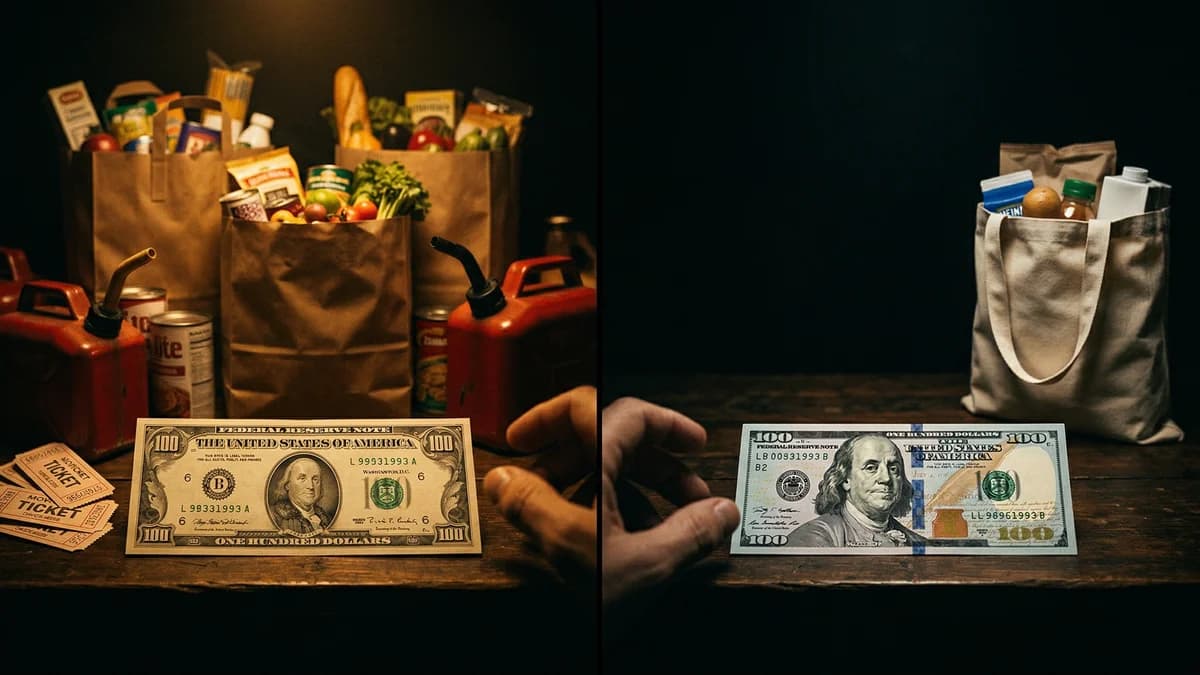



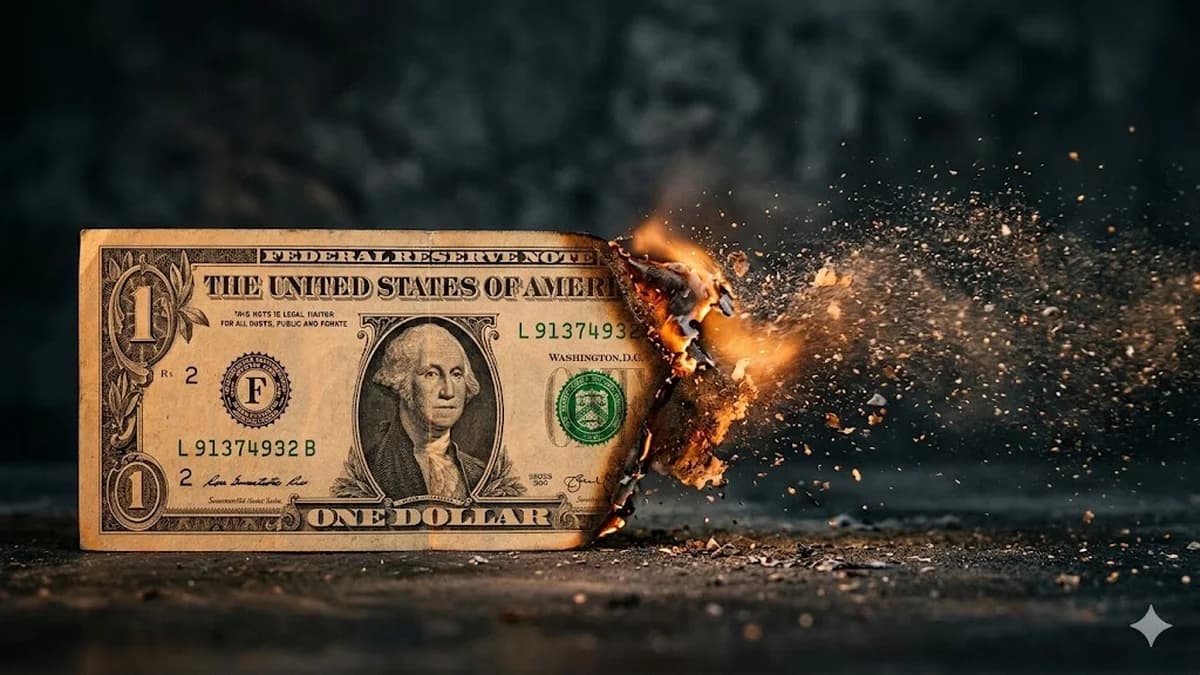
Your Money Is Losing Value (and Nobody Is Going to Tell You)
Your purchasing power is disappearing. Here's the proof.

Nobody Taught You This: The Financial Literacy Crisis Nobody Talks About
Financial literacy was left out of the curriculum. That wasn't an accident.
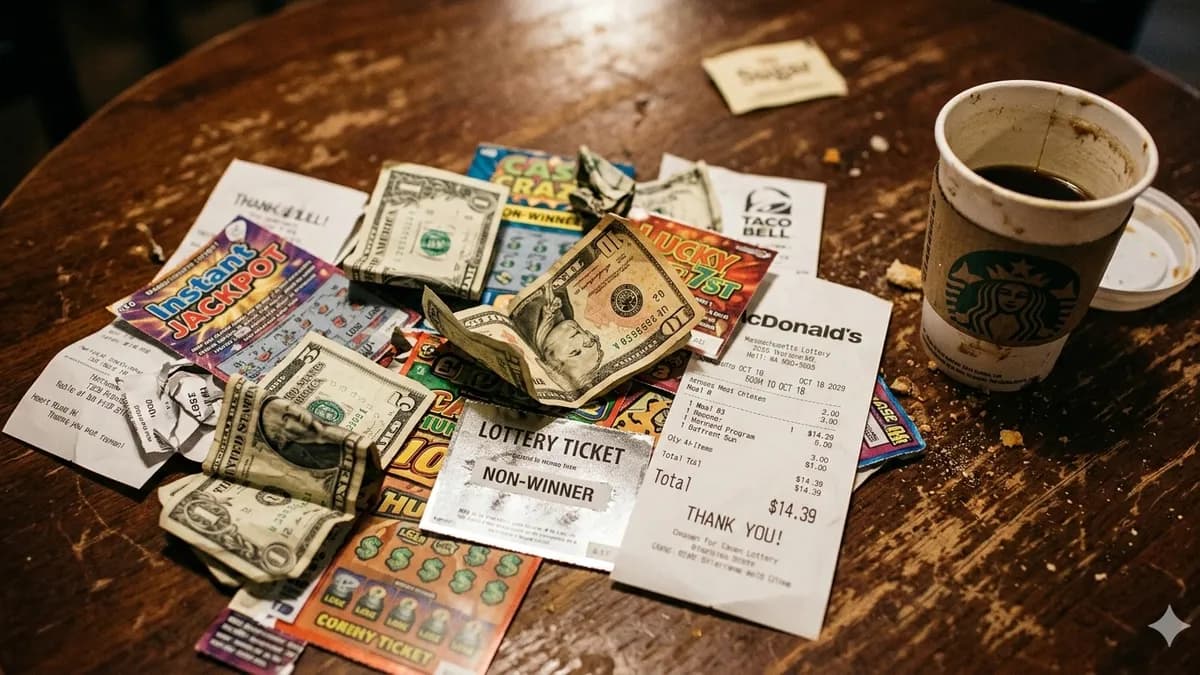
You're Already Wasting Money: The Spending Habits Nobody Questions
Lottery tickets, forgotten subscriptions, impulse buys. The money is there. You just need to redirect it.

Small Steps, Real Results: How $5 a Week Can Change Your Financial Future
$5 a week. That's all it takes to start fighting back.

The Debt Trap: What Nobody Told You About Borrowing Money
Credit cards, student loans, BNPL. The system profits when you stay in debt.
All Articles(62)

How to Save Money on a Low Income: The $2,200-a-Month Math
How to save money on a low income without the latte lecture. Real numbers at $2,200 a month take-home, why 50/30/20 breaks, and the IRS credit built for you.

Custodial Roth IRA: What a Teen's Paycheck Becomes by 65
One $1,000 Roth deposit at 14 could grow to $129,100 by 65 at a 10% average return. At 45, just $6,700. How a custodial Roth IRA works and how to open one.

Financial Literacy for Teens: What School Still Won't Teach You
Four summers of a part-time job, $8,000 total, is worth $744,226 at 65 if you start at 16 and $286,932 if you start at 26. What teens can actually do now.

Financial Advice for Young Adults: 10 Things You Should Already Know
Most money advice for young adults is an unranked list. We priced all 10 moves for a 24-year-old on $50,000. Together they are worth $5,321 in year one.

Debt Snowball vs. Avalanche: Which One Actually Works?
The avalanche method saves the most interest on paper. The snowball gets more people debt-free. We ran both on the same $10,636 of debt. The gap: $215.

39 States Now Require Financial Literacy in Schools. Is Yours One?
Thirty-nine states now require personal finance courses before graduation, up from just 17 in 2020. Here is the full list, what students actually learn, and why it still is not enough.

Average American Savings by Age: Where You Stand (and Why the Number Lies)
The average savings by age is a statistical trick. The typical American has $8,000 saved, not the $62,410 average. Here are the real numbers by age.

Why Is Rent So High? The Purchasing Power Problem Nobody Talks About
The standard answer is supply and demand. The real answer goes deeper: rent is where you watch your dollar lose value in real time. Here's what's happening.

How Money Actually Works (What They Left Out of the Textbook)
Only 49% of US adults can answer basic money questions. Here's how money actually works, from creation to inflation, in plain English the textbook skipped.

High-Yield Savings vs. Investing: Why 4.10% Isn't Winning
The best high-yield savings account pays 4.10%, but after taxes and 3.4% inflation your real return is -0.20%. Here's when HYSA helps and when it drains you.

Where Does Money Come From? (The Answer Will Make You Angry)
About 92% of US money was created by commercial banks out of thin air when they made loans, not by the government. Here's how money actually gets made.

Good Debt vs. Bad Debt: The Difference Nobody Explains
Average credit card APR is 22.3%. Average mortgage rate is 6.4%. Same word, different math. Here's the 4-question test for telling good debt from bad.

Generational Wealth: What It Takes Starting From Nothing
79% of U.S. millionaires inherited zero. Here is what generational wealth actually takes when you start from nothing: four moves, and the math behind them.

Is the Dollar Losing Value? What 50+ Years of Data Actually Shows
Is the dollar losing value? Yes. About 88% since 1971, per BLS CPI data. See the decade-by-decade math, the wage gap, and what regular people can do.
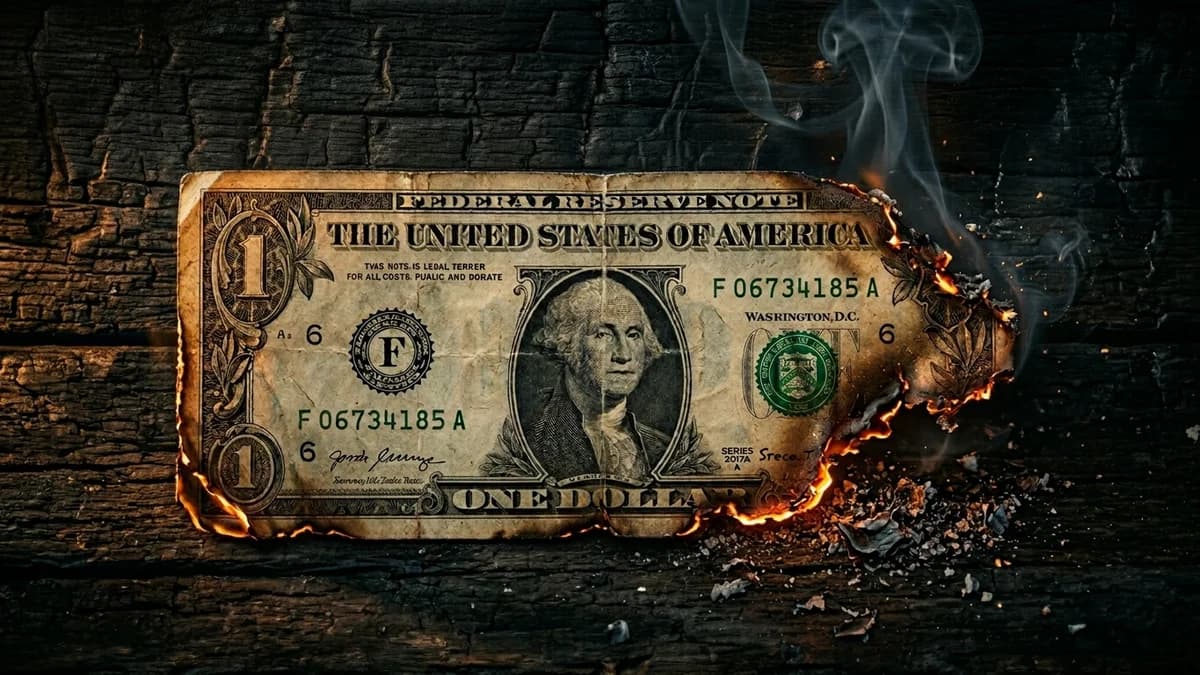
What Is Fiat Currency? (And Why It Matters for Your Money)
Fiat currency is money backed by government decree, not gold. The U.S. dollar has lost 97% of its value since 1913. Here's what that means for your money.

Lifestyle Creep: The Silent Way Your Raises Disappear
Half of Americans earning $100K+ still live paycheck to paycheck. That's lifestyle creep. See why raises disappear and the rule that stops it cold.

Buy Now, Pay Later: The New Debt Trap Dressed Up as a Deal
41% of BNPL users made a late payment last year (Federal Reserve). Buy Now, Pay Later looks like a deal. It's debt in a nicer outfit. Here's how the trap works.

How to Get Out of Debt When You're Living Paycheck to Paycheck
The average American with credit card debt owes $7,886 at 22.3% APR (TransUnion, 2025). Here's a 5-step playbook to escape, even on a tight budget.

Bitcoin Self-Custody: How to Actually Own Your Bitcoin
92.5% of crypto owners trust a third party with their coins. Exchange collapses have cost users $18.9B+. Here's how to take real ownership with a hardware wallet.
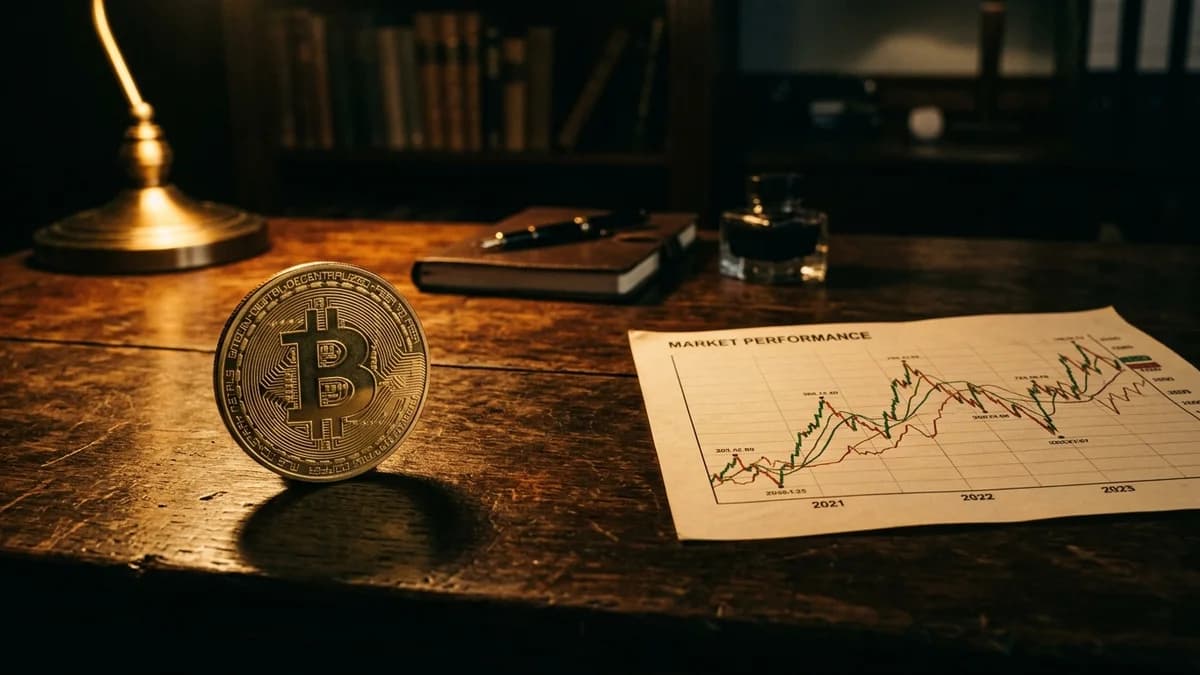
Bitcoin vs Index Funds: Where Should Your First $20 Go?
We put $20/week into Bitcoin and the S&P 500 for 3, 5, and 10 years using real price data. Over 10 years, BTC turned $10,400 into $164,348. The index fund made $22,973.

What Is a Bitcoin Wallet? (Custodial vs. Self-Custody Explained Simply)
A Bitcoin wallet doesn't store Bitcoin. It stores the keys that prove you own it. Here's the difference between custodial and self-custody wallets, and which one you should use.

Your First Paycheck: What Nobody Taught You
Nearly 3 in 10 workers can't explain their own pay stub deductions. Here's what to actually do with your first paycheck before lifestyle inflation takes over.

Bitcoin DCA vs. Lump Sum: Historical Performance Across 158 Months (2026)
Lump sum beats DCA 68% of the time for stocks. But Bitcoin isn't stocks. We tested 158 months of Bitcoin historical performance through 3 scenarios. Here's what the data shows.

Student Loans Explained: What They Didn't Tell You Before You Signed
42.8 million Americans owe $1.66 trillion in student loans. 56% don't even know their balance. Here's everything nobody explained before you signed.

How Credit Card Interest Actually Works (The Math They Hope You Skip)
Credit cards charge compound interest, daily. 47% of Americans don't know their APR. A 22.3% card actually costs 25% a year. Here's how the math works.

How to Buy Bitcoin on Cash App (And What to Do After)
Cash App Auto Invest charges 0% in fees, but one-time buys cost up to 2%. Here's how to set it up right in 5 steps, even if you've never bought Bitcoin before.

Bitcoin vs Real Estate: Which One Can Regular People Actually Afford?
The median home costs $415,000. Bitcoin starts at $1. Here's an honest comparison of two inflation hedges for people who don't have six figures lying around.
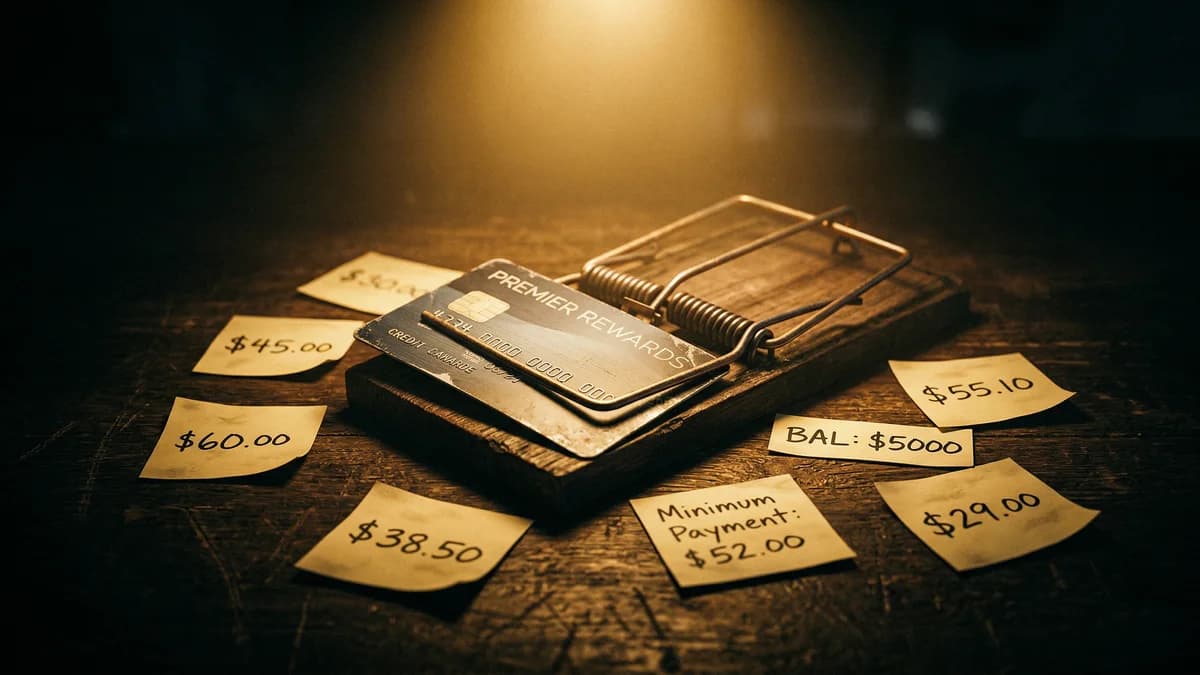
The Minimum Payment Trap: How Banks Keep You in Debt on Purpose
A $5,000 balance at 23% APR costs over $8,900 in interest at minimum payments (CBS News, 2025). Here's how the math is rigged and what to do instead.

How to Start Investing With No Money (You Already Have It)
How to start investing with no money: Americans waste $314/month on impulse buys alone. You don't need new income. Redirect forgotten spending into wealth.
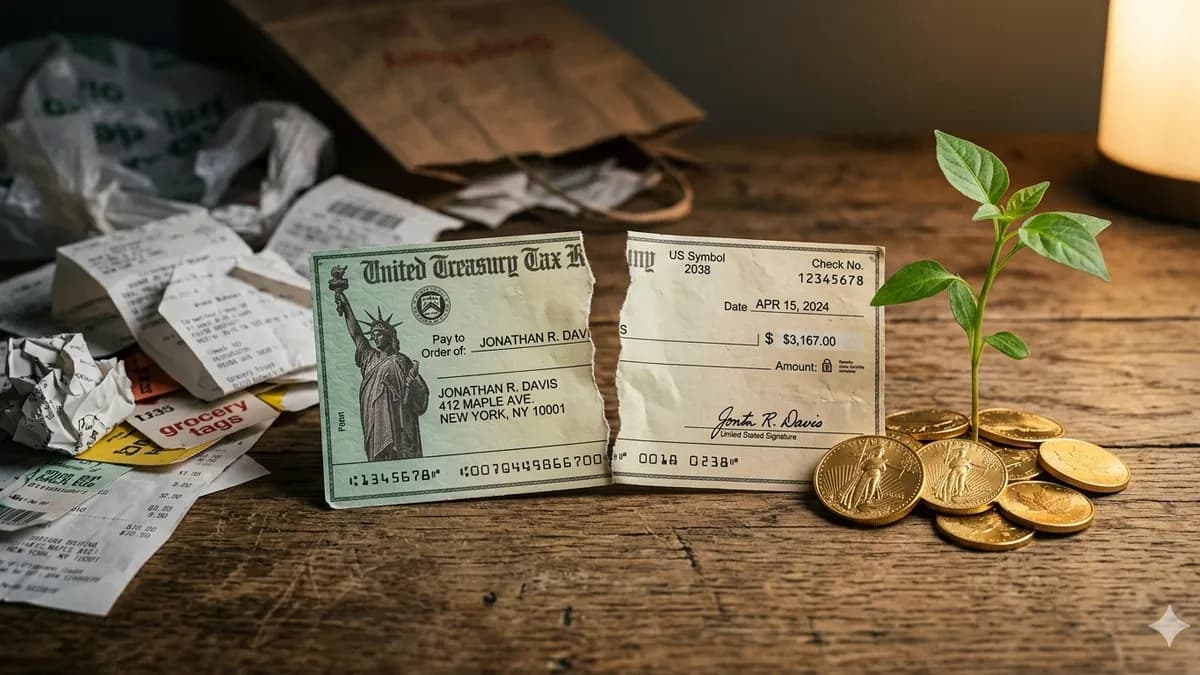
What to Actually Do With Your $3,000 Tax Refund
The average 2026 tax refund was $3,276 (IRS), the biggest check in six years, and it still buys less than 2021's. Here is what to actually do with yours.

What Is a Satoshi? (Why You Don't Need $100K to Own Bitcoin)
A satoshi is the smallest unit of Bitcoin: 0.00000001 BTC. At today's prices, $1 buys you roughly 1,500 sats. You never needed a whole coin.
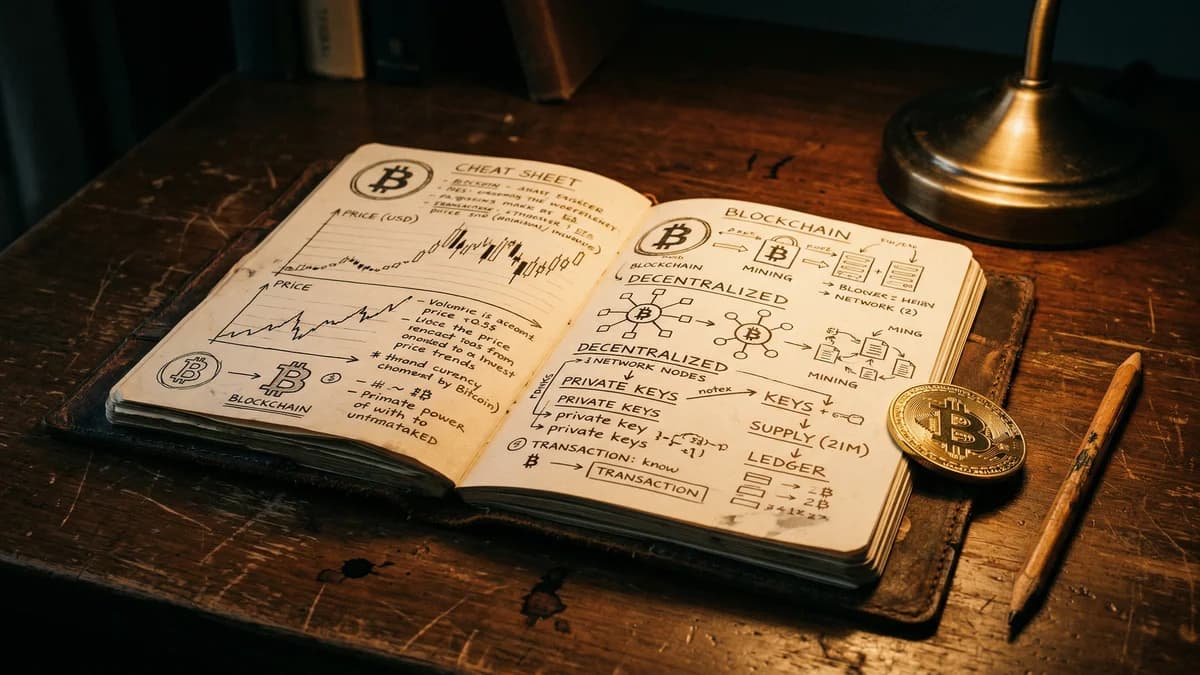
The Bitcoin Cheatsheet: Everything You Need to Know in Plain English
30% of American adults own crypto but most can't explain it. This is the one-page Bitcoin reference guide you'll actually understand.
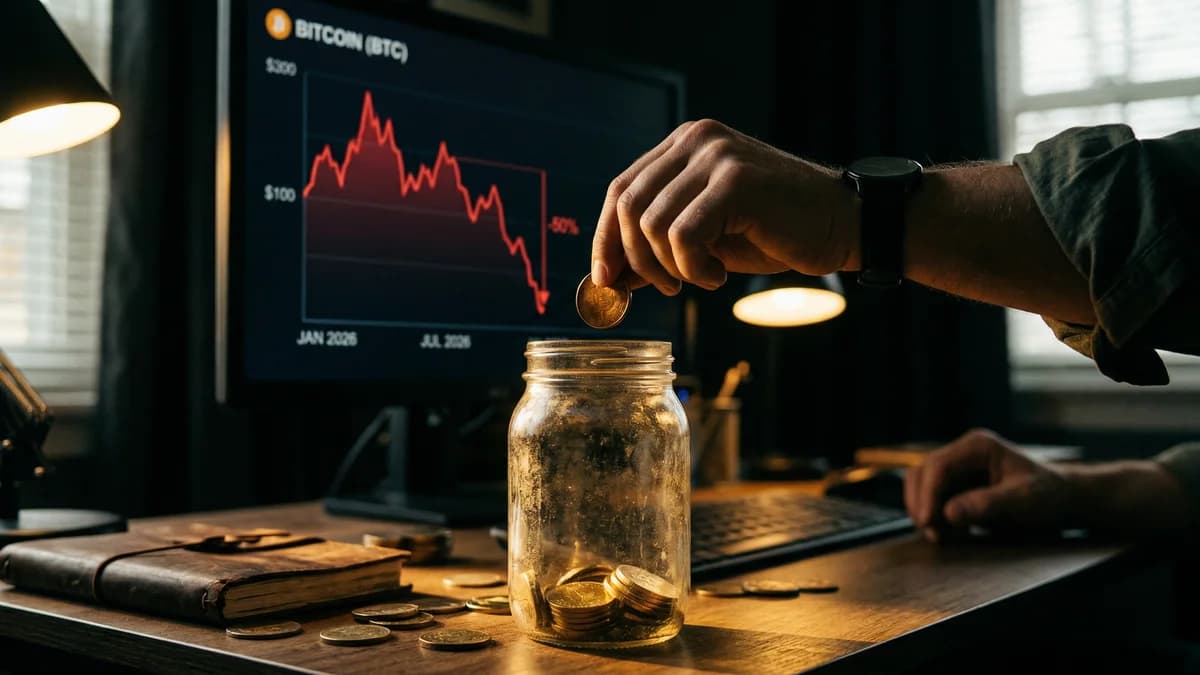
Bitcoin Is Down 50%. Here's What DCA Investors Are Actually Doing
Google searches for 'Bitcoin going to zero' hit an all-time high in Feb 2026. Meanwhile, Bitcoin ETFs saw $257M in net inflows in a single day. Here's what's really happening.
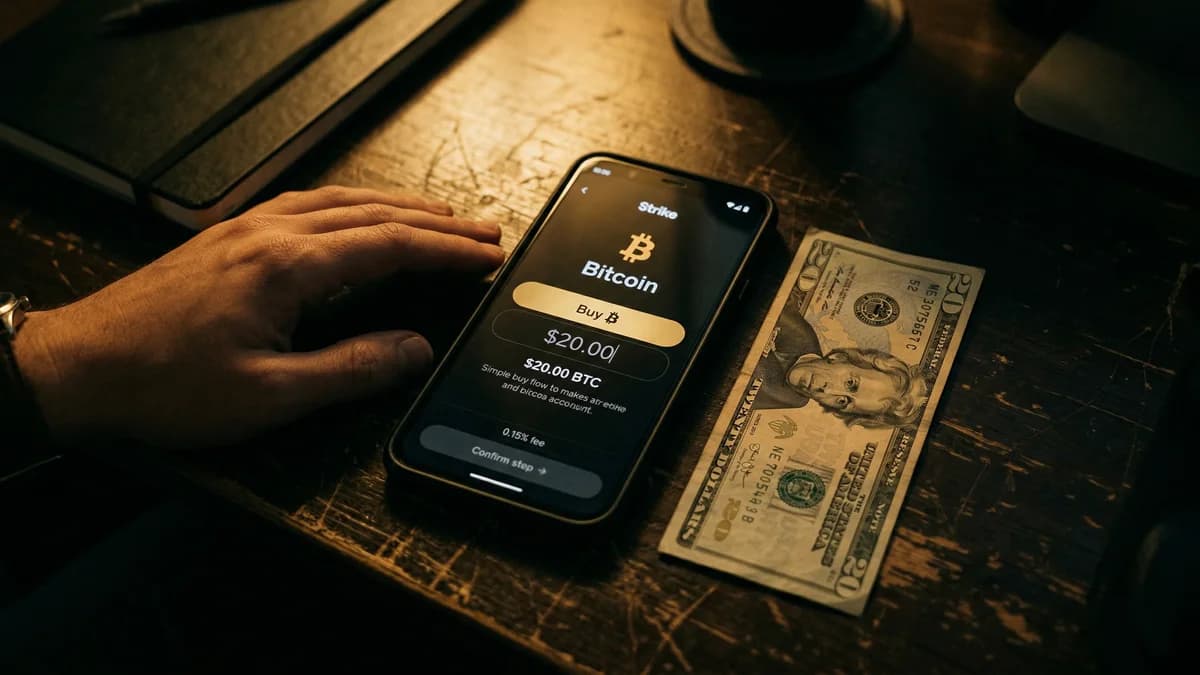
How to Buy Bitcoin on Strike (Step-by-Step for First Timers)
Strike charges ~0.15% on recurring Bitcoin buys, 10x cheaper than Coinbase. Here's exactly how to set it up in 6 steps, even if you've never bought crypto before.
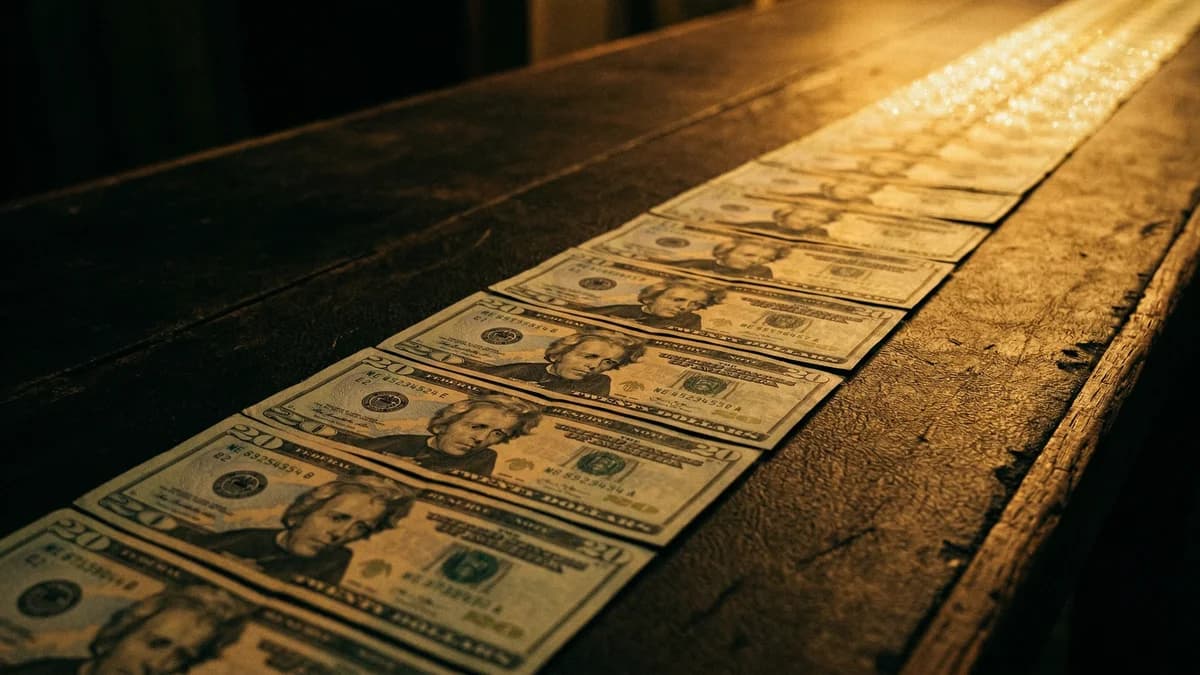
$20 a Week for 10 Years: What Your Money Could Become
$20/week is $10,400 over 10 years. At the S&P 500's historical 10% average return, it grows to over $17,000. Here's the math for three paths.
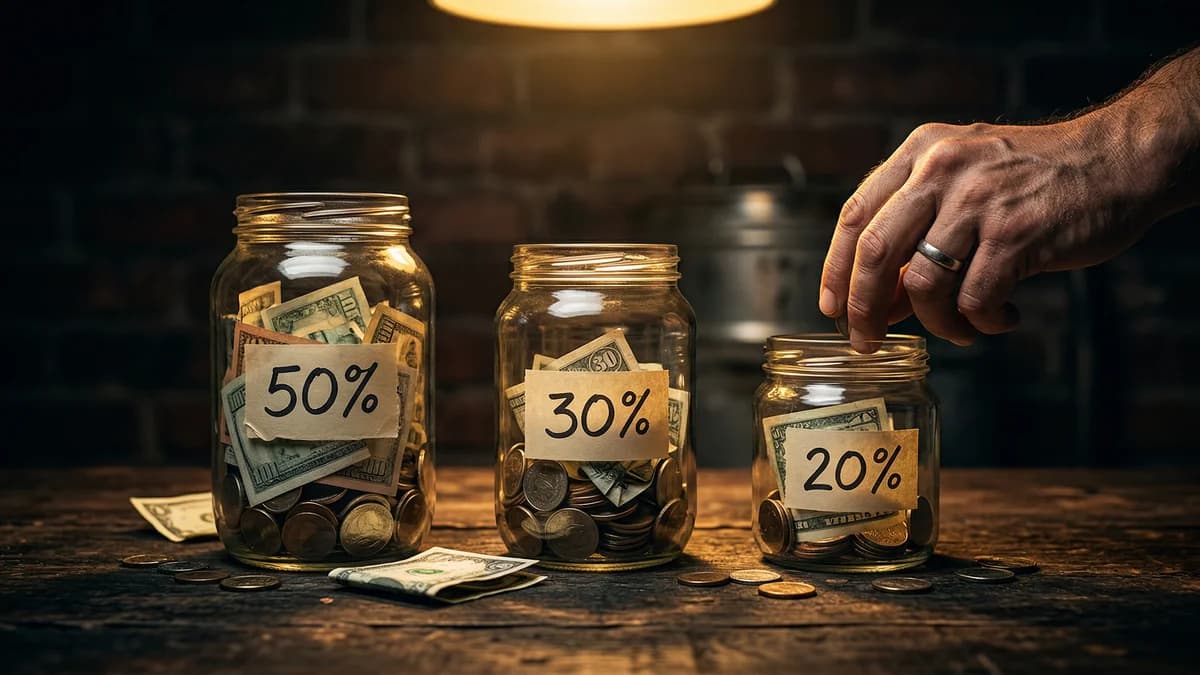
The 50/30/20 Budget Rule (And Why It's Only Half the Answer)
The 50/30/20 rule is a solid start. 50% needs, 30% wants, 20% savings. But most people stop there. Here's what to do with that 20% so it actually grows.
7 Things About Money You Should Have Learned in School (But Didn't)
88% of adults say their state should require a personal finance course. Here are 7 financial basics the system skipped, from compound interest to how taxes actually work.

Americans Spend $100 Billion a Year on Lottery Tickets
U.S. lottery sales topped $113 billion in 2023. That's more than Americans spend on books, movies, and video games combined. Here's where that money actually goes.

Bitcoin for Beginners: What It Is, How to Buy It, and Why People Are Choosing It
Bitcoin has a fixed supply of 21 million coins and no minimum to buy. Here's what it is, how it works, and how to get started with as little as $1.

Bitcoin vs Gold: Which One Actually Protects Your Money?
Gold has been the inflation hedge for centuries. Bitcoin has been around for 15 years. Here's an honest comparison for people who just want to protect their purchasing power.

Bitcoin vs the Stock Market: Where Should Your First $20 Go?
Bitcoin returned 437,000%+ since 2011. The S&P 500 returned ~400%. But Bitcoin swings 3-4x harder. Here's an honest side-by-side for your first $20.

How to Build a Saving Habit That Actually Sticks
More than 1 in 3 Americans can't cover a $400 emergency. Learn the behavioral science behind saving habits that stick, plus a step-by-step system to start with just $5.

What Happens to Cash During a Recession (and What Actually Holds Value)
The 2008 recession wiped out 57% of S&P 500 value, but cash lost purchasing power in the inflation that followed. See what actually held value and why.

The Cost of Not Understanding Money: What Financial Ignorance Actually Costs You
Financial ignorance costs the average American $1,819 per year. Here's exactly where that money goes: credit cards, fees, payday loans, and missed growth.

How Much Emergency Fund Do You Actually Need? (And What to Do After You Have It)
53% of Americans can't cover a $1,000 emergency. How much you really need in months not dollars, what $10,000 or $50,000 actually buys, and where to keep it.

How Credit Card Companies, Payday Lenders, and Casinos Profit from Financial Ignorance
Credit card issuers earned $130B in interest in 2023. Payday lenders charge 400% APR. State lotteries took in $113B. Here's how they profit from what you were never taught.

How the Government Prints Money (and Why You Pay for It)
The U.S. money supply grew by 40% in just two years. Here's how government money printing works in plain English, and why every new dollar makes yours worth less.

Impulse Buying: The Psychology Behind Why You Spend Money You Don't Have
Americans spend $314/month on impulse buys (Slickdeals). Learn the psychology behind unplanned purchases and practical ways to stop the bleeding.

Is It Too Late to Buy Bitcoin? (Here's What the Math Actually Says)
People asked this at $1,000, $10,000, and $100,000. Every time, the DCA math told the same story. Here's what it says now.
The Latte Factor Is Real (But It's Bigger Than Coffee)
Americans spend $3,945/year on food away from home (BLS, 2024). The latte factor isn't just coffee. It's every small daily expense you never add up.
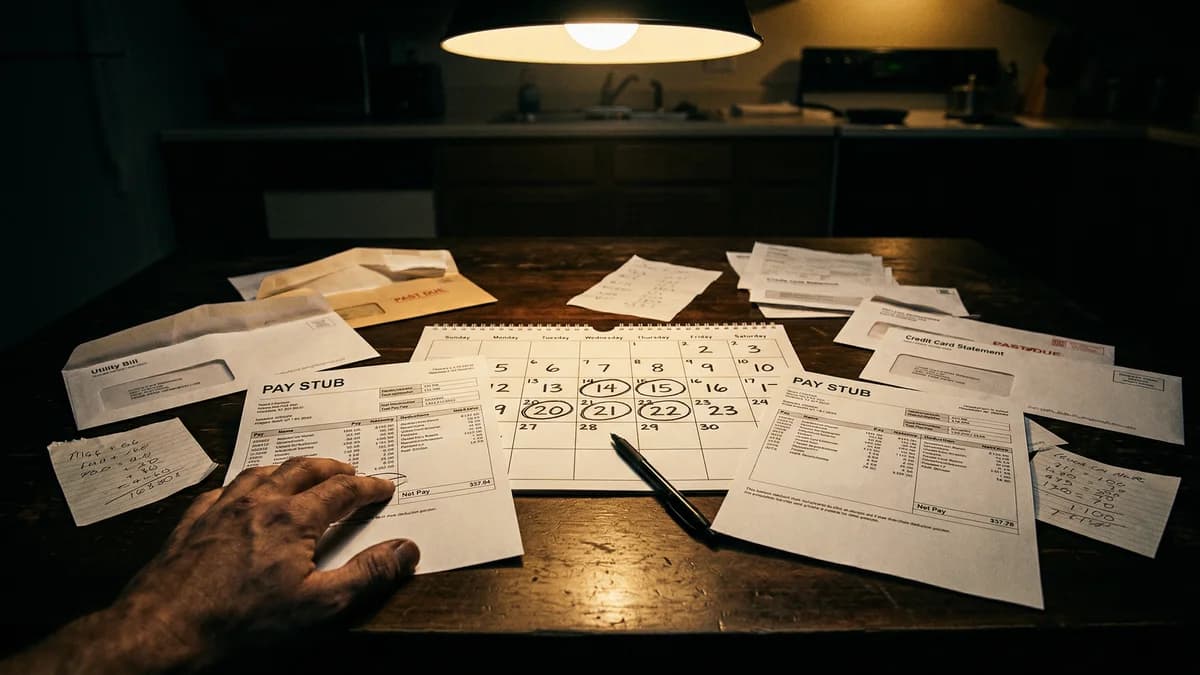
How to Stop Living Paycheck to Paycheck (When the System Is Designed to Keep You There)
62% of Americans live paycheck to paycheck. That's not a personal failure. It's a system working exactly as designed. Here's how to break out.
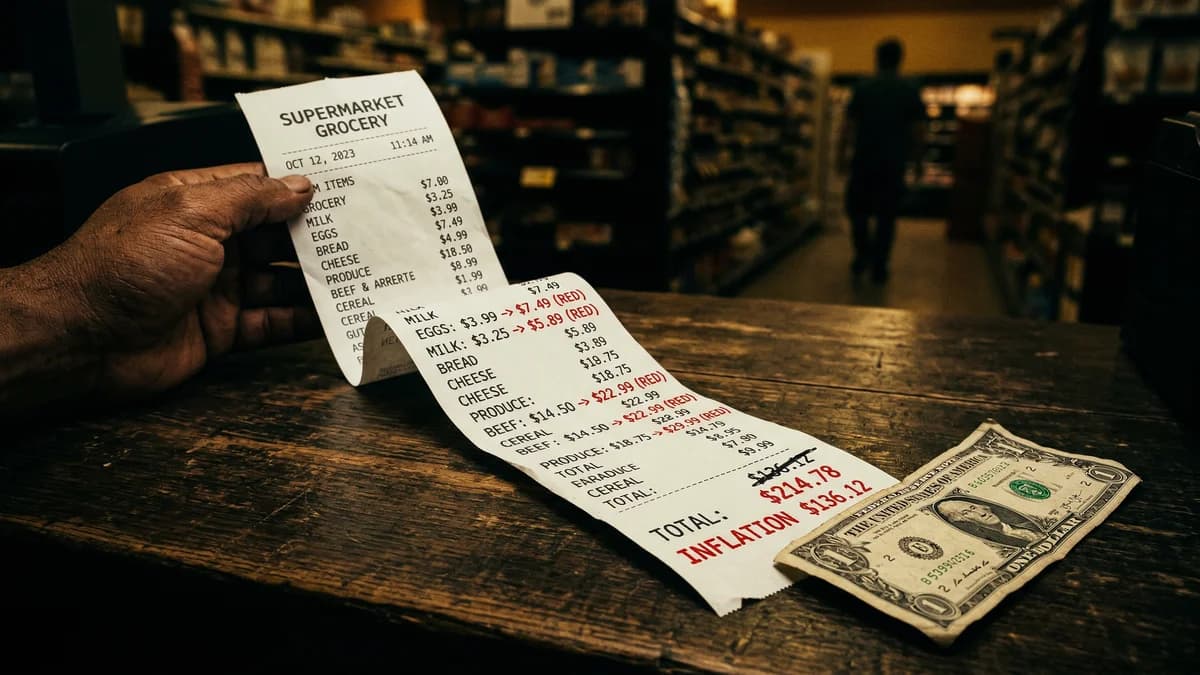
The Real Inflation Rate: What the Official Numbers Don't Tell You
The official CPI says inflation is around 4%, but real costs for energy, insurance, food, and rent often rise far faster. Here's what the government's formula leaves out.

Why Your Savings Account Is Quietly Losing Money
The average U.S. savings account pays 0.38% while inflation runs at 3.4%. Your $10,000 in savings lost about $300 in real purchasing power last year.

The "I'll Start Tomorrow" Trap: Why Waiting to Invest Costs More Than You Think
Waiting 10 years to invest $20/week could cost you over $300,000 in lost growth. The math behind why starting today matters more than starting perfectly.
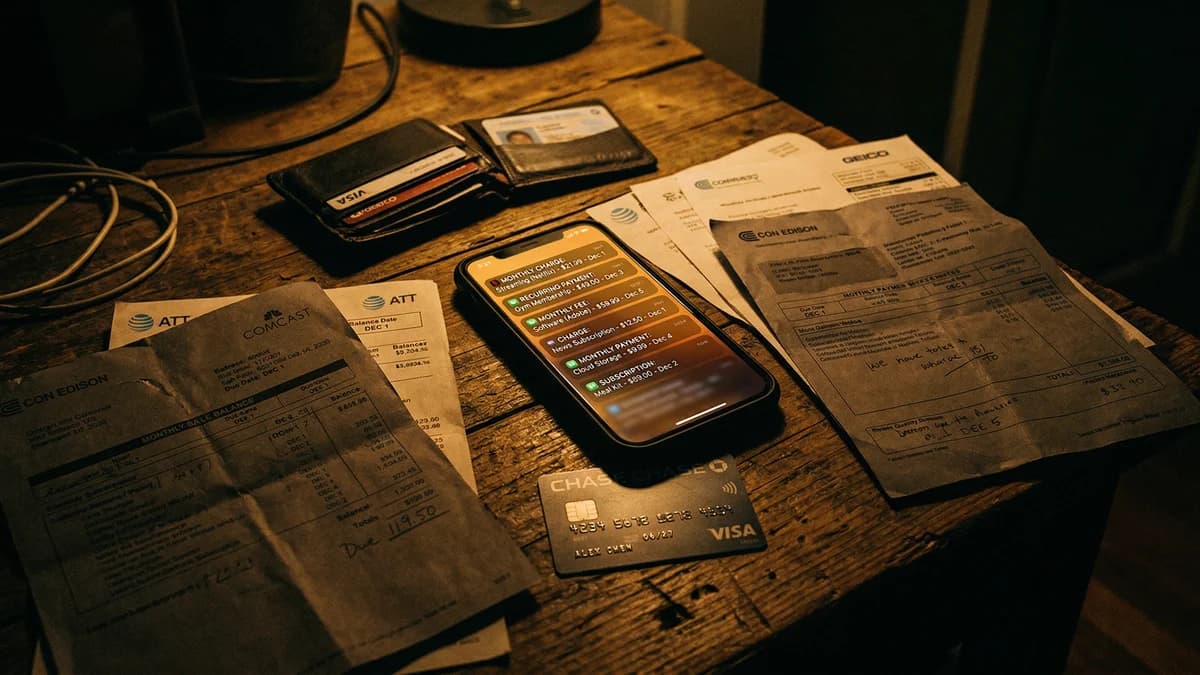
The Subscription Trap: How Forgotten Monthly Charges Drain Your Money
Americans pay $219/month on subscriptions but think they pay $86 (C+R Research). That $133 gap is silent wealth destruction. Here's how to find it and stop it.

How to Teach Yourself About Money (Starting From Zero)
The average American lost $1,819 in 2022 from financial illiteracy. Here's a step-by-step learning path to teach yourself about money, starting from zero.
What $100 Used to Buy: A Decade of Shrinking Dollars
A $100 bill has lost over 25% of its buying power since 2015, per the Bureau of Labor Statistics. See what that same bill used to cover and what it gets you now.

What Is a Roth IRA? (The Tax-Free Growth Account Nobody Told You About)
A Roth IRA lets your money grow tax-free. Forever. You pay taxes now, never again on the growth. Here's how it works and why you should open one today.

What Is Compound Interest? The Most Powerful Force Nobody Explained to You
Compound interest turns $20/week into $105,000+ over 30 years at 7% returns. Here's exactly how it works, with real math and zero jargon.
What Is Dollar Cost Averaging? (Explained So Simply Your Grandma Would Get It)
Dollar cost averaging means buying a fixed amount on a regular schedule, no matter the price. It removes the stress of timing the market and lets consistency do the heavy lifting.

What Is Purchasing Power? (And Why Yours Is Shrinking)
The U.S. dollar lost over 25% of its purchasing power since 2015, per BLS data. Learn what purchasing power means and why your money buys less every year.

Why Financial Literacy Is Not Taught in Schools (It's Not an Accident)
Only 26 states require a personal finance course. Credit card companies and payday lenders profit billions from that gap. Here is what it costs you.