Investing Basics
Core investing concepts explained simply: compound interest, DCA, index funds, and more.
All Articles(31)

Custodial Roth IRA: What a Teen's Paycheck Becomes by 65
One $1,000 Roth deposit at 14 could grow to $129,100 by 65 at a 10% average return. At 45, just $6,700. How a custodial Roth IRA works and how to open one.

Financial Literacy for Teens: What School Still Won't Teach You
Four summers of a part-time job, $8,000 total, is worth $744,226 at 65 if you start at 16 and $286,932 if you start at 26. What teens can actually do now.

Financial Advice for Young Adults: 10 Things You Should Already Know
Most money advice for young adults is an unranked list. We priced all 10 moves for a 24-year-old on $50,000. Together they are worth $5,321 in year one.

Average American Savings by Age: Where You Stand (and Why the Number Lies)
The average savings by age is a statistical trick. The typical American has $8,000 saved, not the $62,410 average. Here are the real numbers by age.
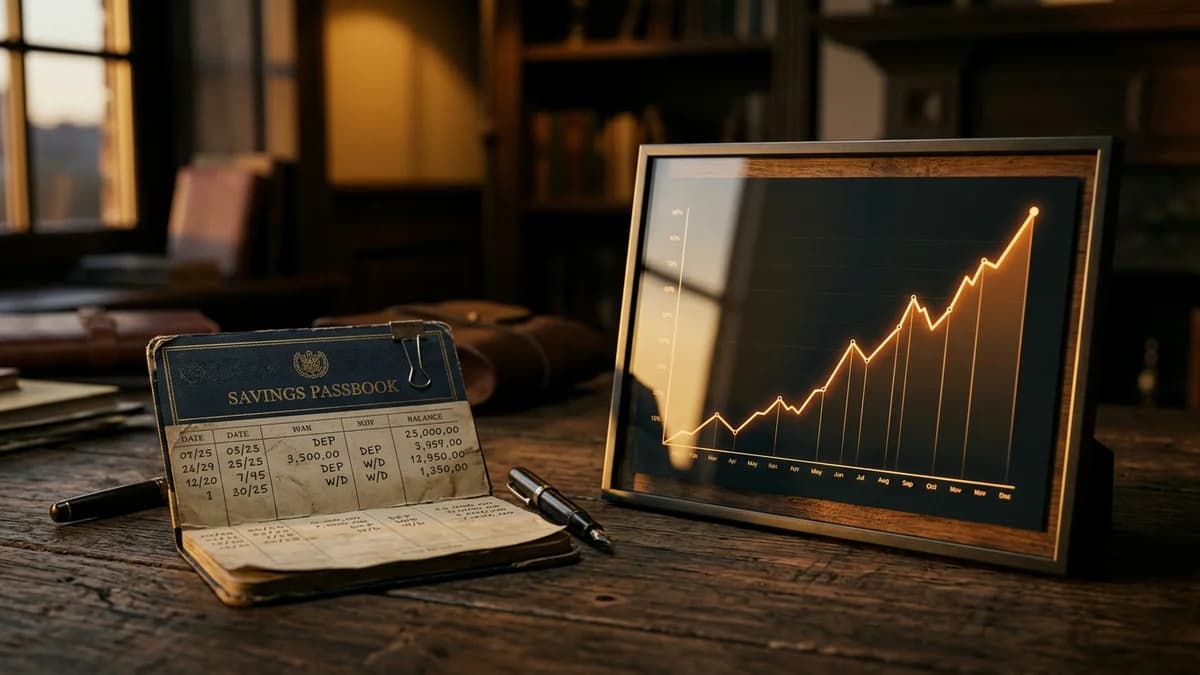
High-Yield Savings vs. Investing: Why 4.10% Isn't Winning
The best high-yield savings account pays 4.10%, but after taxes and 3.4% inflation your real return is -0.20%. Here's when HYSA helps and when it drains you.

Generational Wealth: What It Takes Starting From Nothing
79% of U.S. millionaires inherited zero. Here is what generational wealth actually takes when you start from nothing: four moves, and the math behind them.
Bitcoin Self-Custody: How to Actually Own Your Bitcoin
92.5% of crypto owners trust a third party with their coins. Exchange collapses have cost users $18.9B+. Here's how to take real ownership with a hardware wallet.
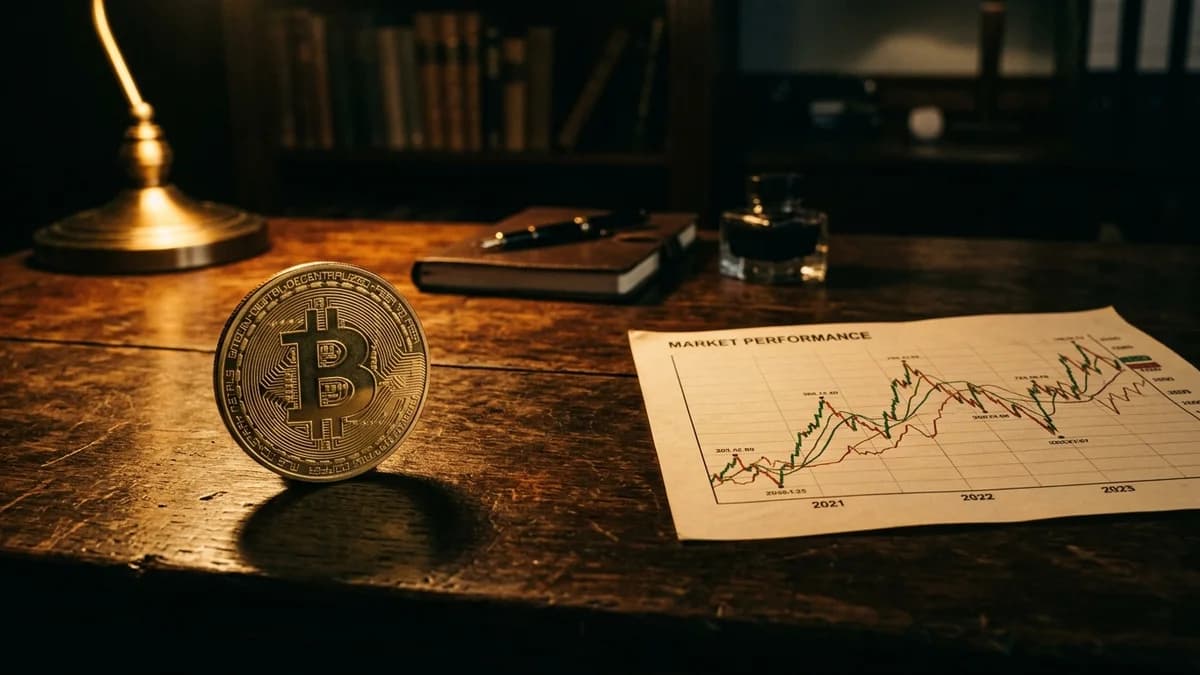
Bitcoin vs Index Funds: Where Should Your First $20 Go?
We put $20/week into Bitcoin and the S&P 500 for 3, 5, and 10 years using real price data. Over 10 years, BTC turned $10,400 into $164,348. The index fund made $22,973.
What Is a Bitcoin Wallet? (Custodial vs. Self-Custody Explained Simply)
A Bitcoin wallet doesn't store Bitcoin. It stores the keys that prove you own it. Here's the difference between custodial and self-custody wallets, and which one you should use.

Your First Paycheck: What Nobody Taught You
Nearly 3 in 10 workers can't explain their own pay stub deductions. Here's what to actually do with your first paycheck before lifestyle inflation takes over.
Bitcoin DCA vs. Lump Sum: Historical Performance Across 158 Months (2026)
Lump sum beats DCA 68% of the time for stocks. But Bitcoin isn't stocks. We tested 158 months of Bitcoin historical performance through 3 scenarios. Here's what the data shows.

How to Buy Bitcoin on Cash App (And What to Do After)
Cash App Auto Invest charges 0% in fees, but one-time buys cost up to 2%. Here's how to set it up right in 5 steps, even if you've never bought Bitcoin before.

Bitcoin vs Real Estate: Which One Can Regular People Actually Afford?
The median home costs $415,000. Bitcoin starts at $1. Here's an honest comparison of two inflation hedges for people who don't have six figures lying around.
How to Start Investing With No Money (You Already Have It)
How to start investing with no money: Americans waste $314/month on impulse buys alone. You don't need new income. Redirect forgotten spending into wealth.
What to Actually Do With Your $3,000 Tax Refund
The average 2026 tax refund was $3,276 (IRS), the biggest check in six years, and it still buys less than 2021's. Here is what to actually do with yours.
What Is a Satoshi? (Why You Don't Need $100K to Own Bitcoin)
A satoshi is the smallest unit of Bitcoin: 0.00000001 BTC. At today's prices, $1 buys you roughly 1,500 sats. You never needed a whole coin.
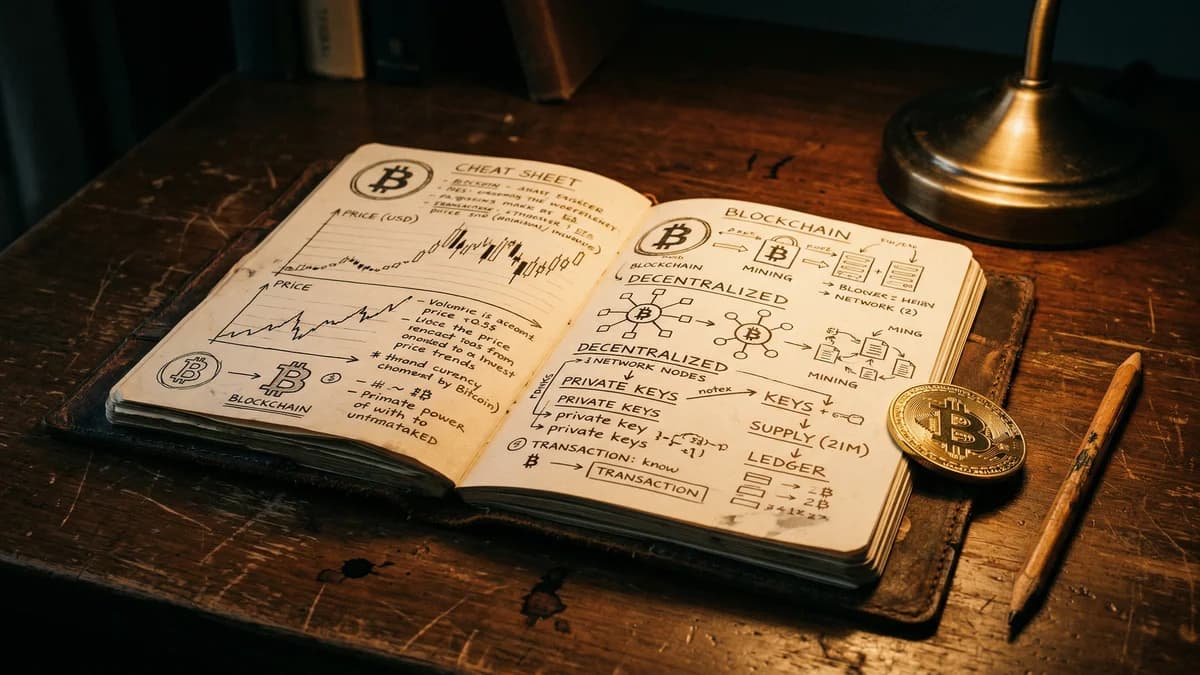
The Bitcoin Cheatsheet: Everything You Need to Know in Plain English
30% of American adults own crypto but most can't explain it. This is the one-page Bitcoin reference guide you'll actually understand.
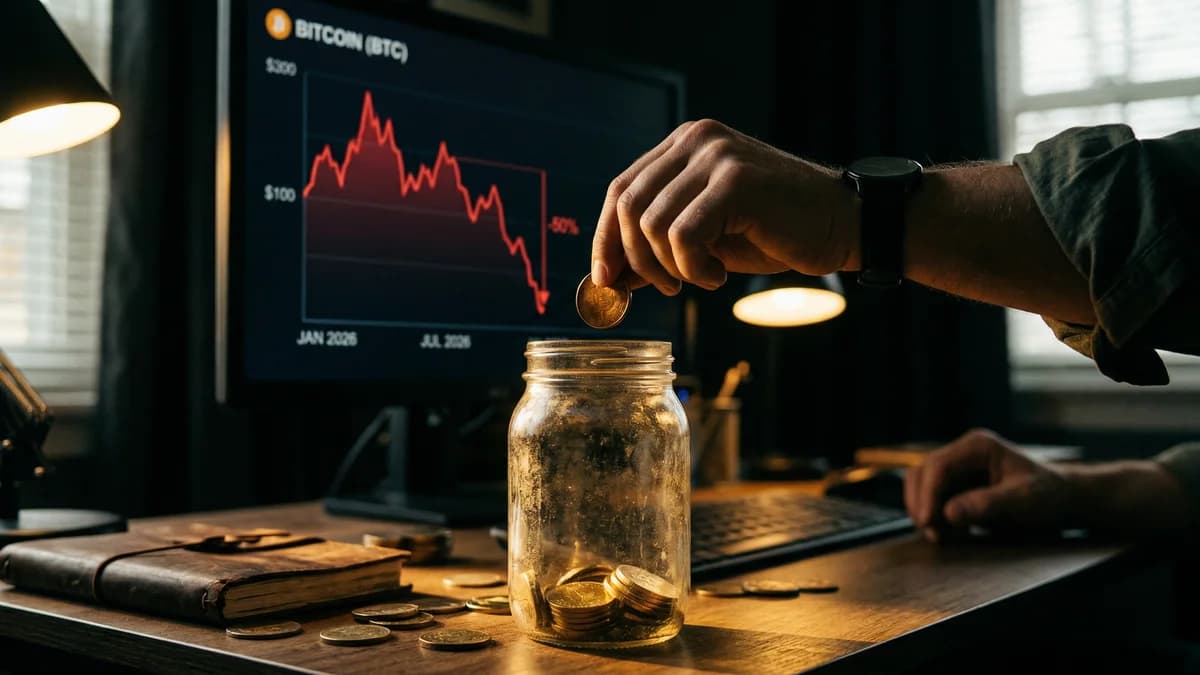
Bitcoin Is Down 50%. Here's What DCA Investors Are Actually Doing
Google searches for 'Bitcoin going to zero' hit an all-time high in Feb 2026. Meanwhile, Bitcoin ETFs saw $257M in net inflows in a single day. Here's what's really happening.
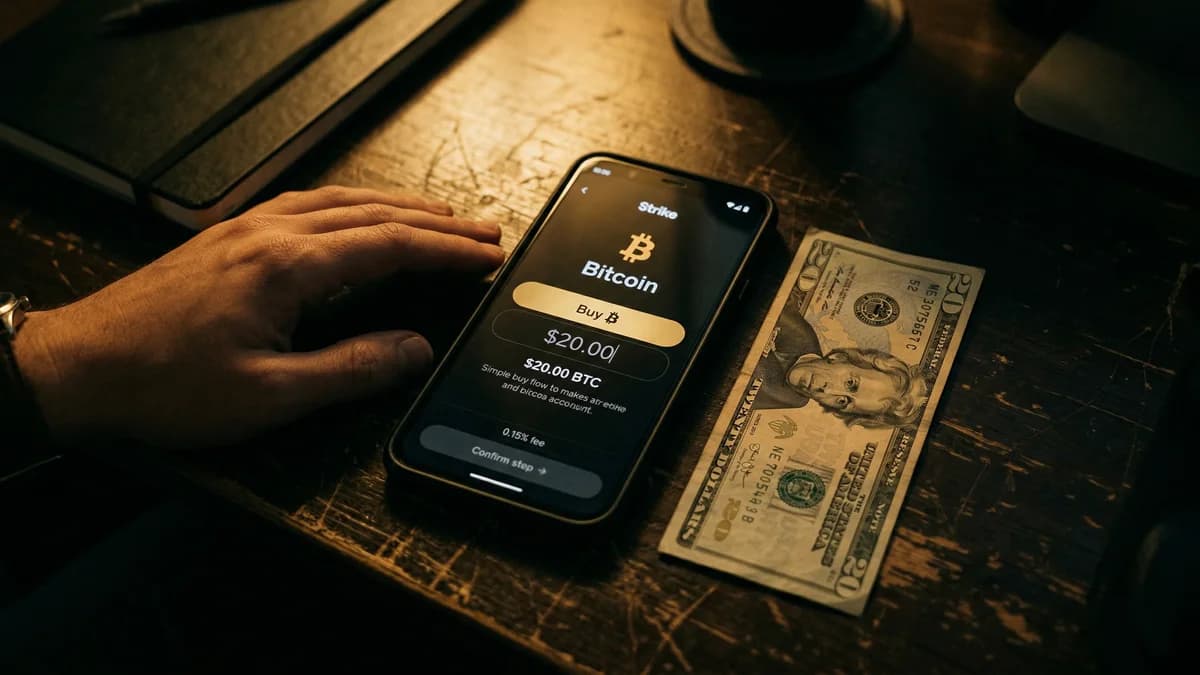
How to Buy Bitcoin on Strike (Step-by-Step for First Timers)
Strike charges ~0.15% on recurring Bitcoin buys, 10x cheaper than Coinbase. Here's exactly how to set it up in 6 steps, even if you've never bought crypto before.
$20 a Week for 10 Years: What Your Money Could Become
$20/week is $10,400 over 10 years. At the S&P 500's historical 10% average return, it grows to over $17,000. Here's the math for three paths.
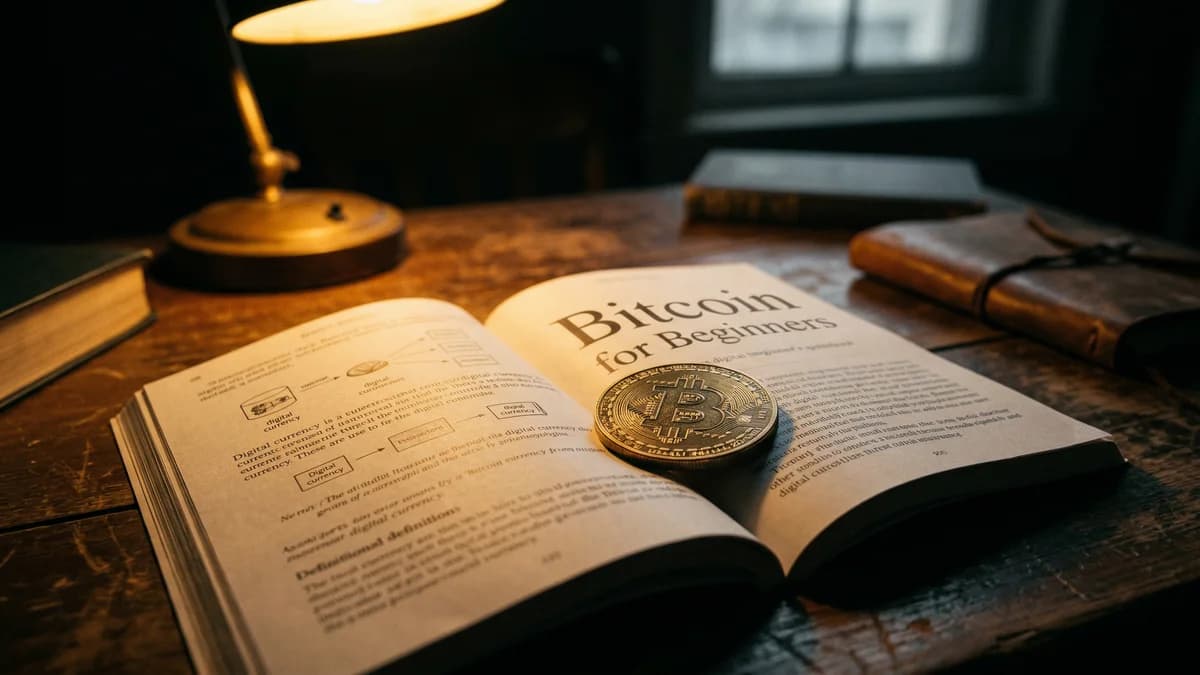
Bitcoin for Beginners: What It Is, How to Buy It, and Why People Are Choosing It
Bitcoin has a fixed supply of 21 million coins and no minimum to buy. Here's what it is, how it works, and how to get started with as little as $1.
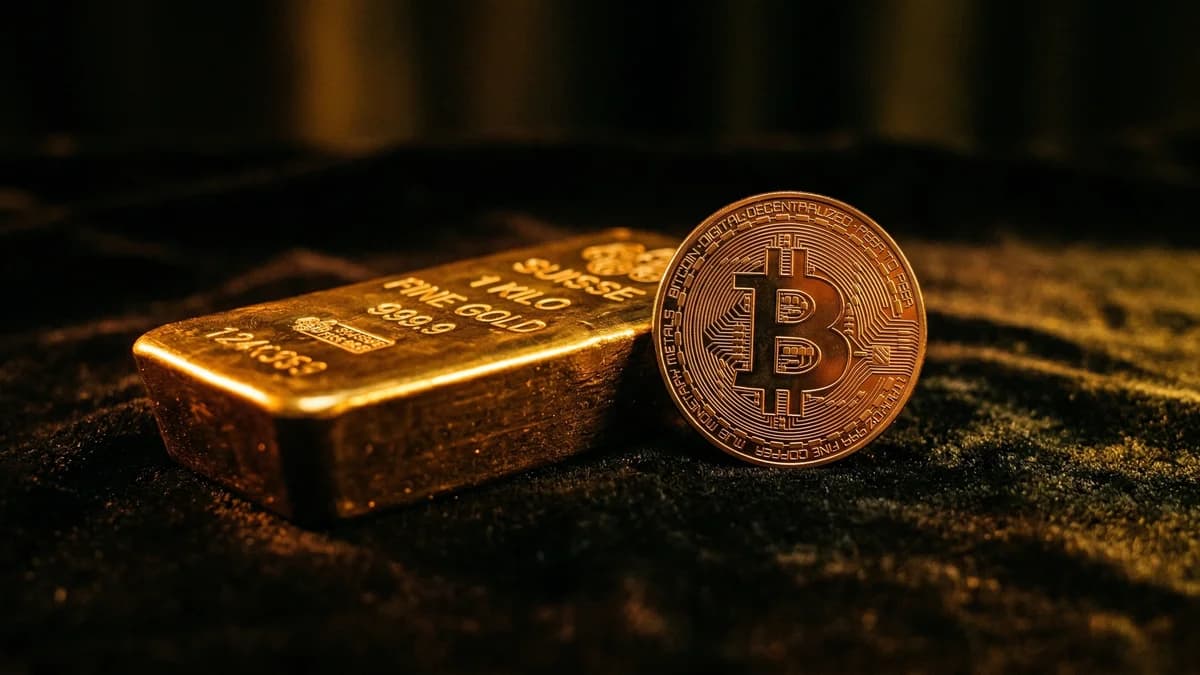
Bitcoin vs Gold: Which One Actually Protects Your Money?
Gold has been the inflation hedge for centuries. Bitcoin has been around for 15 years. Here's an honest comparison for people who just want to protect their purchasing power.
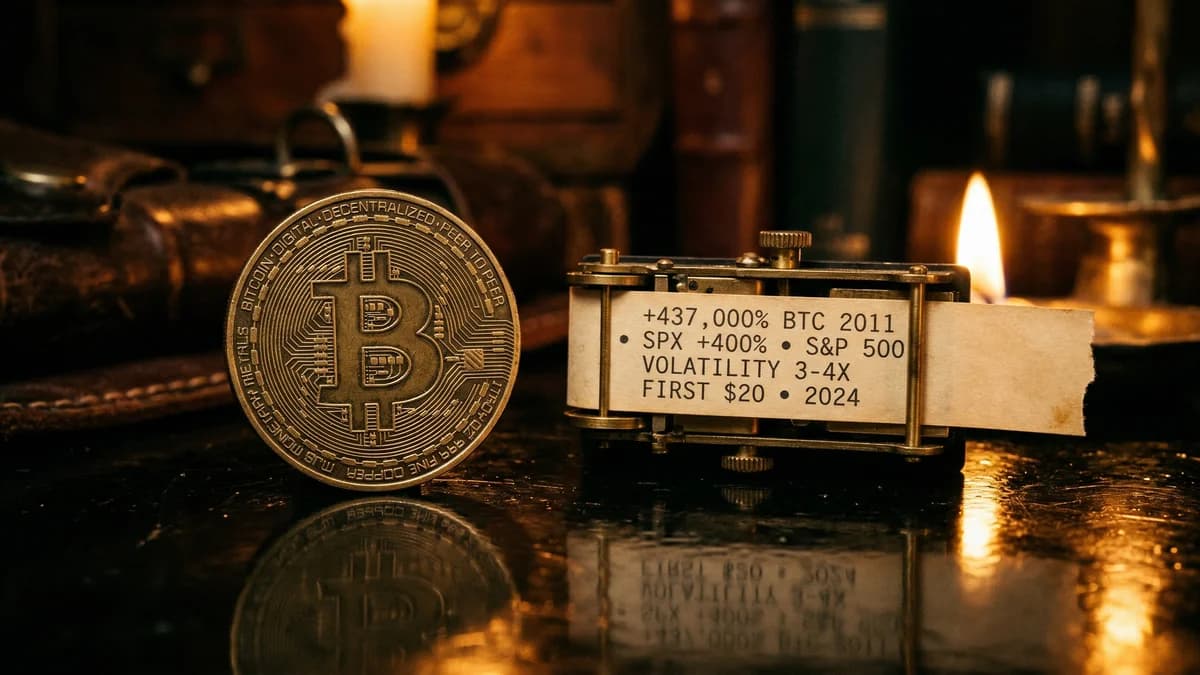
Bitcoin vs the Stock Market: Where Should Your First $20 Go?
Bitcoin returned 437,000%+ since 2011. The S&P 500 returned ~400%. But Bitcoin swings 3-4x harder. Here's an honest side-by-side for your first $20.

What Happens to Cash During a Recession (and What Actually Holds Value)
The 2008 recession wiped out 57% of S&P 500 value, but cash lost purchasing power in the inflation that followed. See what actually held value and why.
Is It Too Late to Buy Bitcoin? (Here's What the Math Actually Says)
People asked this at $1,000, $10,000, and $100,000. Every time, the DCA math told the same story. Here's what it says now.
Why Your Savings Account Is Quietly Losing Money
The average U.S. savings account pays 0.38% while inflation runs at 3.4%. Your $10,000 in savings lost about $300 in real purchasing power last year.
Small Steps, Real Results: How $5 a Week Can Change Your Financial Future
You don't need a huge salary or a lucky break. $5 a week, consistently invested, can build real wealth over time. Here's the math and the method.

The "I'll Start Tomorrow" Trap: Why Waiting to Invest Costs More Than You Think
Waiting 10 years to invest $20/week could cost you over $300,000 in lost growth. The math behind why starting today matters more than starting perfectly.
What Is a Roth IRA? (The Tax-Free Growth Account Nobody Told You About)
A Roth IRA lets your money grow tax-free. Forever. You pay taxes now, never again on the growth. Here's how it works and why you should open one today.
What Is Compound Interest? The Most Powerful Force Nobody Explained to You
Compound interest turns $20/week into $105,000+ over 30 years at 7% returns. Here's exactly how it works, with real math and zero jargon.

What Is Dollar Cost Averaging? (Explained So Simply Your Grandma Would Get It)
Dollar cost averaging means buying a fixed amount on a regular schedule, no matter the price. It removes the stress of timing the market and lets consistency do the heavy lifting.