Getting Started
Practical first steps anyone can take today, even with $5.
All Articles(32)

Bitcoin ATM Scams: The Script, the Machine, and Why the Money Is Gone
Bitcoin ATM scams run on one script. How the call works, why the money can't come back, FBI 2025 losses by age, and the one rule that stops every version.

How to Teach Kids About Money When Nobody Taught You
Teach kids about money by age, even if nobody taught you: what the CFPB says forms at 3, 6 and 13, scripts to use, and what $5 a week becomes.
How to Build Wealth From Nothing: The Order of Operations
How to build wealth from nothing, in the order that works. The break-even math on paying off debt versus investing, and what each step actually costs.
How to Save Money on a Low Income: The $2,200-a-Month Math
How to save money on a low income without the latte lecture. Real numbers at $2,200 a month take-home, why 50/30/20 breaks, and the IRS credit built for you.

Custodial Roth IRA: What a Teen's Paycheck Becomes by 65
One $1,000 Roth deposit at 14 could grow to $129,100 by 65 at a 10% average return. At 45, just $6,700. How a custodial Roth IRA works and how to open one.

Financial Literacy for Teens: What School Still Won't Teach You
Four summers of a part-time job, $8,000 total, is worth $744,226 at 65 if you start at 16 and $286,932 if you start at 26. What teens can actually do now.

Financial Advice for Young Adults: 10 Things You Should Already Know
Most money advice for young adults is an unranked list. We priced all 10 moves for a 24-year-old on $50,000. The top six are worth $5,304 in year one.

How Money Actually Works (What They Left Out of the Textbook)
US adults get only 49% of basic money questions right. Here's how money actually works, from creation to inflation, in plain English the textbook skipped.

Where Does Money Come From? (The Answer Will Make You Angry)
About 92% of US bank deposits were created by commercial banks out of thin air when they made loans, not by the government. Here's how money actually gets made.

Generational Wealth: What It Takes Starting From Nothing
79% of U.S. millionaires inherited zero. Here is what generational wealth actually takes when you start from nothing: four moves, and the math behind them.
What Is Fiat Currency? (And Why It Matters for Your Money)
Fiat currency is money backed by government decree, not gold. The U.S. dollar has lost 97% of its value since 1913. Here's what that means for your money.
How to Get Out of Debt When You're Living Paycheck to Paycheck
The average American with credit card debt owes $7,756, and cards that charge interest average 22.36% APR (TransUnion, Fed, 2026). Here's a 5-step playbook to escape, even on a tight budget.

Bitcoin Self-Custody: How to Actually Own Your Bitcoin
By Ledger's estimate, 92.5% of crypto users trust a third party with their coins. Four big collapses and hacks put nearly $15B at risk. Here's how to take real ownership with a hardware wallet.
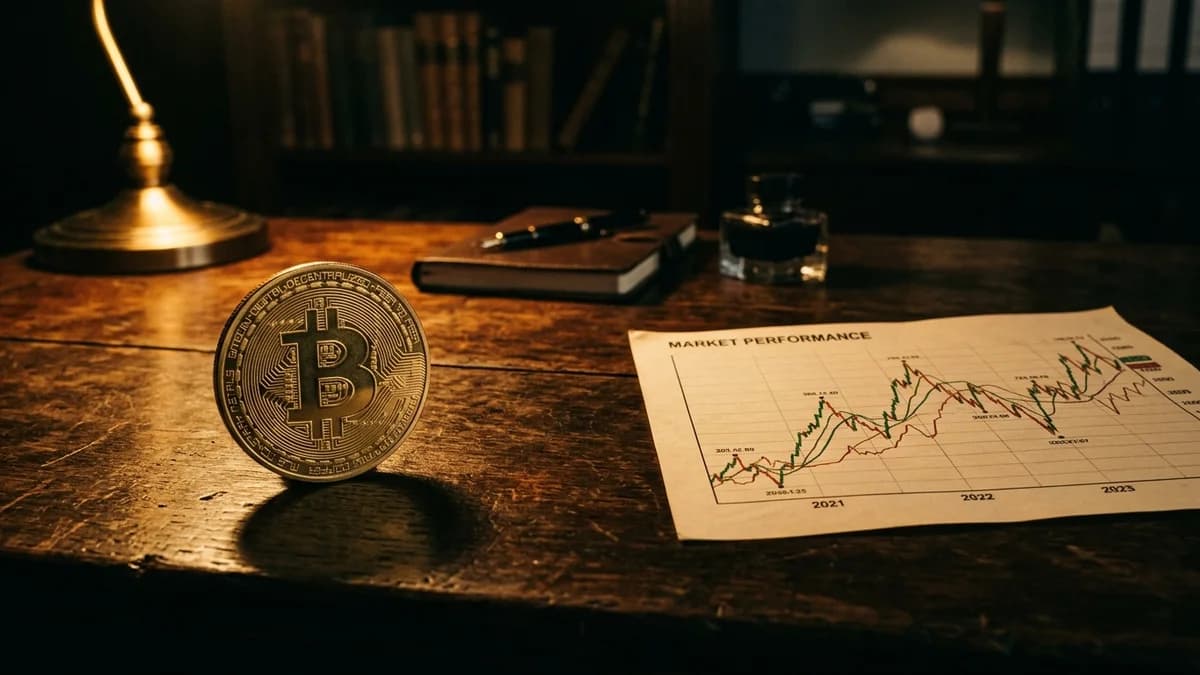
Bitcoin vs the Stock Market: Where Should Your First $20 Go?
$20 a week from October 2016 to September 2026: Bitcoin turned $10,400 into $114,322, an S&P 500 index fund into $23,554. Over 3 years the index fund won.
What Is a Bitcoin Wallet? (Custodial vs. Self-Custody Explained Simply)
A Bitcoin wallet doesn't store Bitcoin. It stores the keys that prove you own it. Here's the difference between custodial and self-custody wallets, and which one you should use.

Your First Paycheck: What Nobody Taught You
Nearly 3 in 10 workers can't explain their own pay stub deductions. Here's what to actually do with your first paycheck before lifestyle inflation takes over.

Student Loans Explained: What They Didn't Tell You Before You Signed
42.6 million Americans owe $1.7 trillion in federal student loans, and the rules changed in July 2026. Here's everything nobody explained before you signed.

How to Buy Bitcoin on Cash App (And What to Do After)
Cash App Auto Invest charges 0% in fees, but one-time buys cost up to 2%. Here's how to set it up right in 5 steps, even if you've never bought Bitcoin before.
How to Start Investing With No Money (You Already Have It)
How to start investing with no money: impulse buys and forgotten subscriptions quietly eat hundreds a month. You don't need new income. Redirect forgotten spending into wealth.
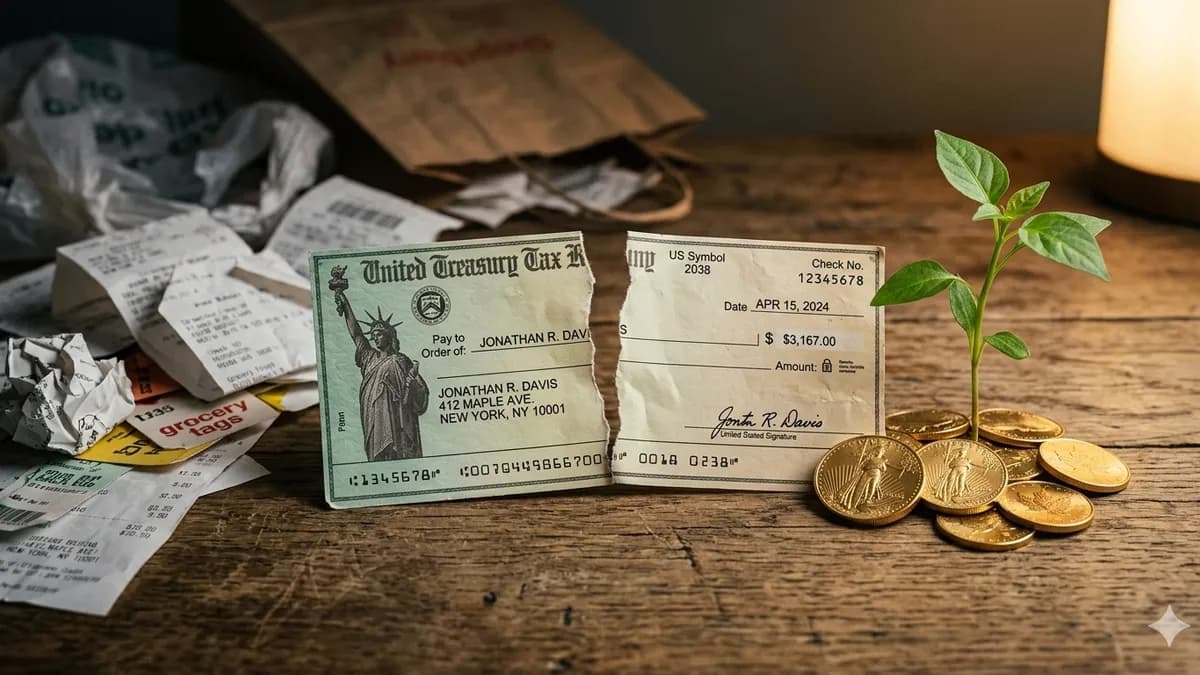
What to Actually Do With Your $3,000 Tax Refund
The average 2026 tax refund was $3,276 (IRS), the biggest check in six years, and it still buys less than 2021's. Here is what to actually do with yours.
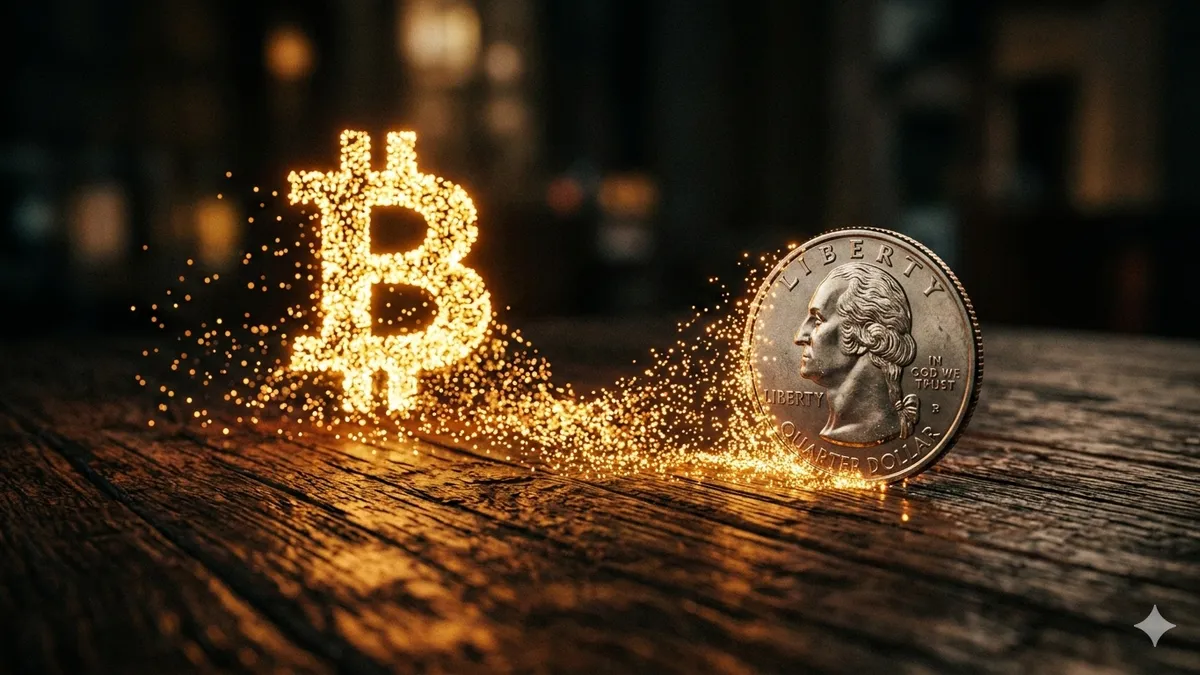
What Is a Satoshi? (Why You Don't Need $100K to Own Bitcoin)
A satoshi is the smallest unit of Bitcoin: 0.00000001 BTC. At about $83,000 per Bitcoin (October 2026), $1 buys you roughly 1,200 sats. You never needed a whole coin.
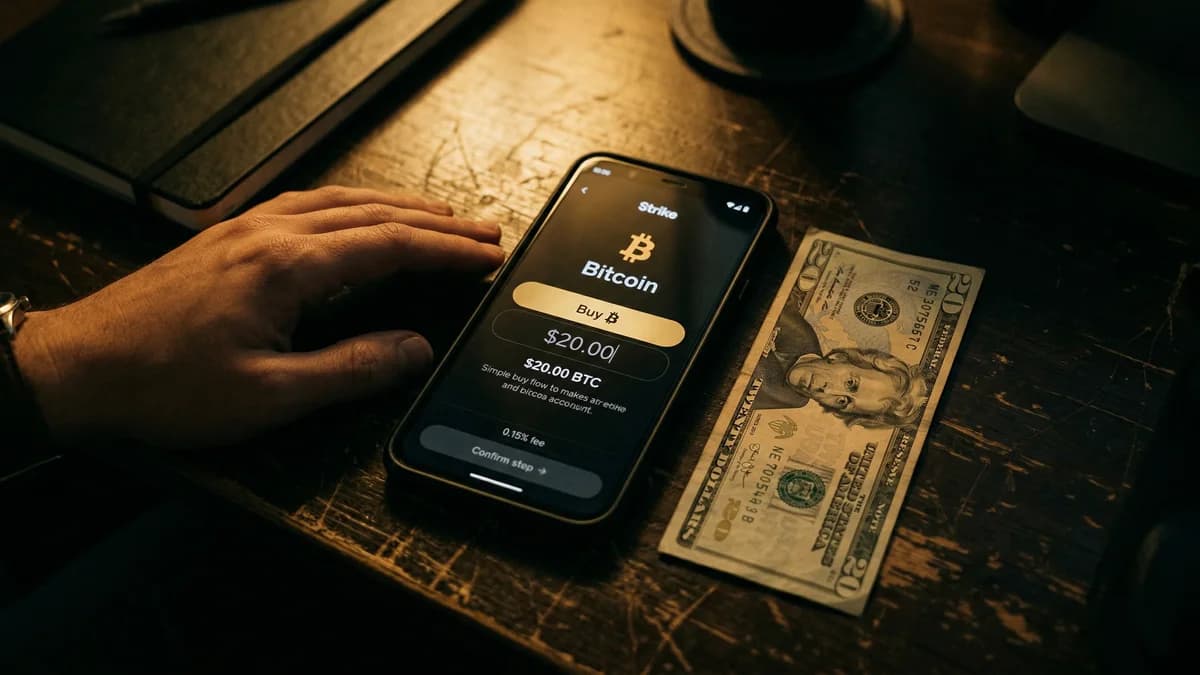
How to Buy Bitcoin on Strike (Step-by-Step for First Timers)
Strike charges no fee on recurring Bitcoin buys after the first week, just a ~0.22% spread. Here's exactly how to set it up in 6 steps, even if you've never bought crypto before.
$20 a Week for 10 Years: What Your Money Could Become
$20/week is $10,400 over 10 years. At the S&P 500's historical 10% average return, it grows to over $17,000. Here's the math for three paths.
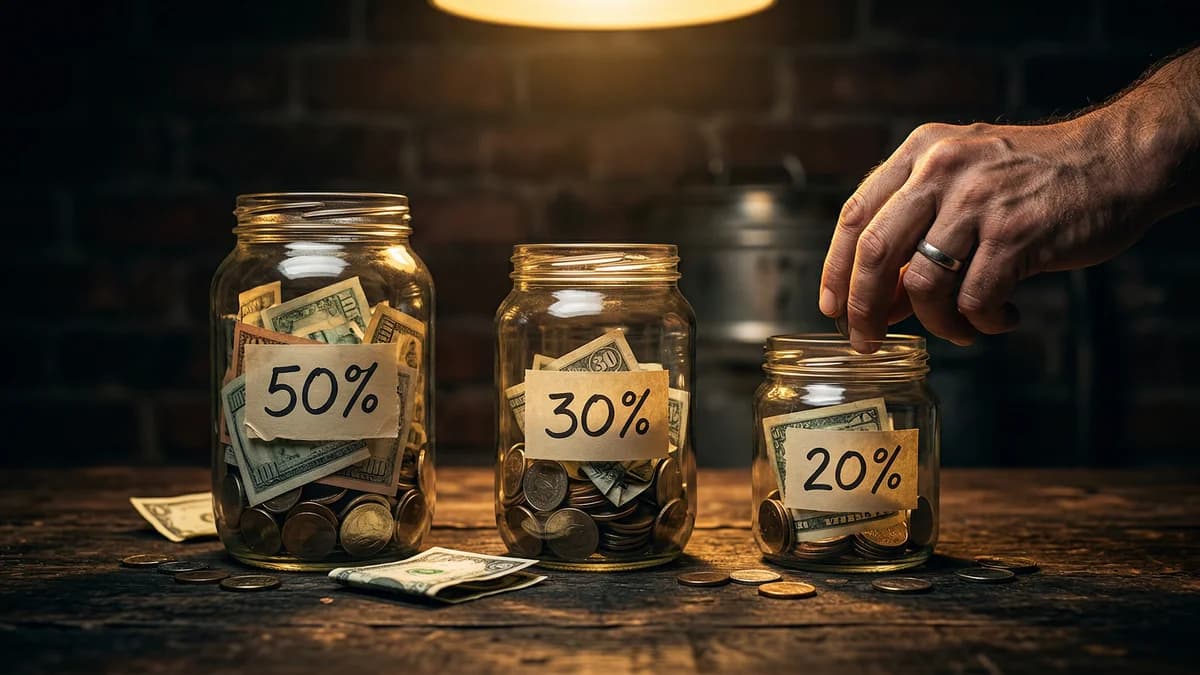
The 50/30/20 Budget Rule (And Why It's Only Half the Answer)
The 50/30/20 rule is a solid start. 50% needs, 30% wants, 20% savings. But most people stop there. Here's what to do with that 20% so it actually grows.

7 Things About Money You Should Have Learned in School (But Didn't)
88% of adults say their state should require a personal finance course. Here are 7 financial basics the system skipped, from compound interest to how taxes actually work.
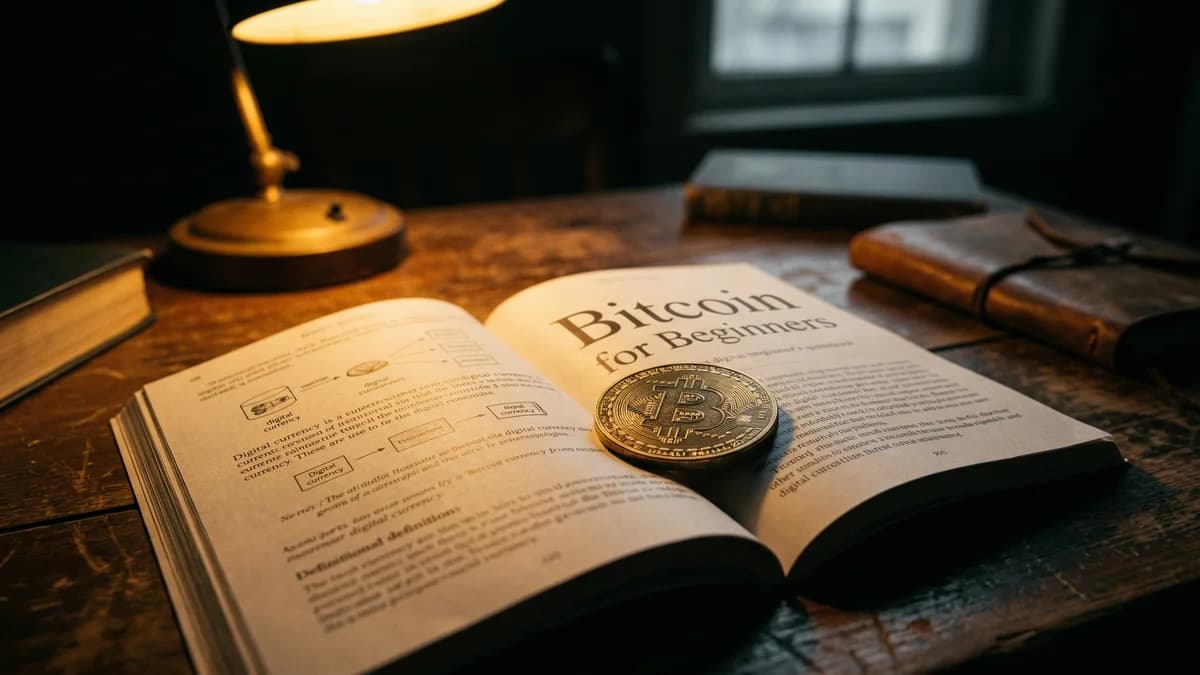
Bitcoin for Beginners: What It Is, How to Buy It, and Why People Are Choosing It
Bitcoin is digital money capped at 21 million coins. What it is, how to buy it with $1, the five myths that will not die, and a plain-English glossary.

How to Build a Saving Habit That Actually Sticks
More than 1 in 3 Americans can't cover a $400 emergency. Learn the behavioral science behind saving habits that stick, plus a step-by-step system to start with just $5.

How Much Emergency Fund Do You Actually Need? (And What to Do After You Have It)
53% of Americans can't cover a $1,000 emergency. How much you really need in months not dollars, what $10,000 or $50,000 actually buys, and where to keep it.
Is It Too Late to Buy Bitcoin? (Here's What the Math Actually Says)
We started $20 a week at every Bitcoin peak since 2013. Each one fell 23% to 53% below the money put in, and each was back above it by September 2026.
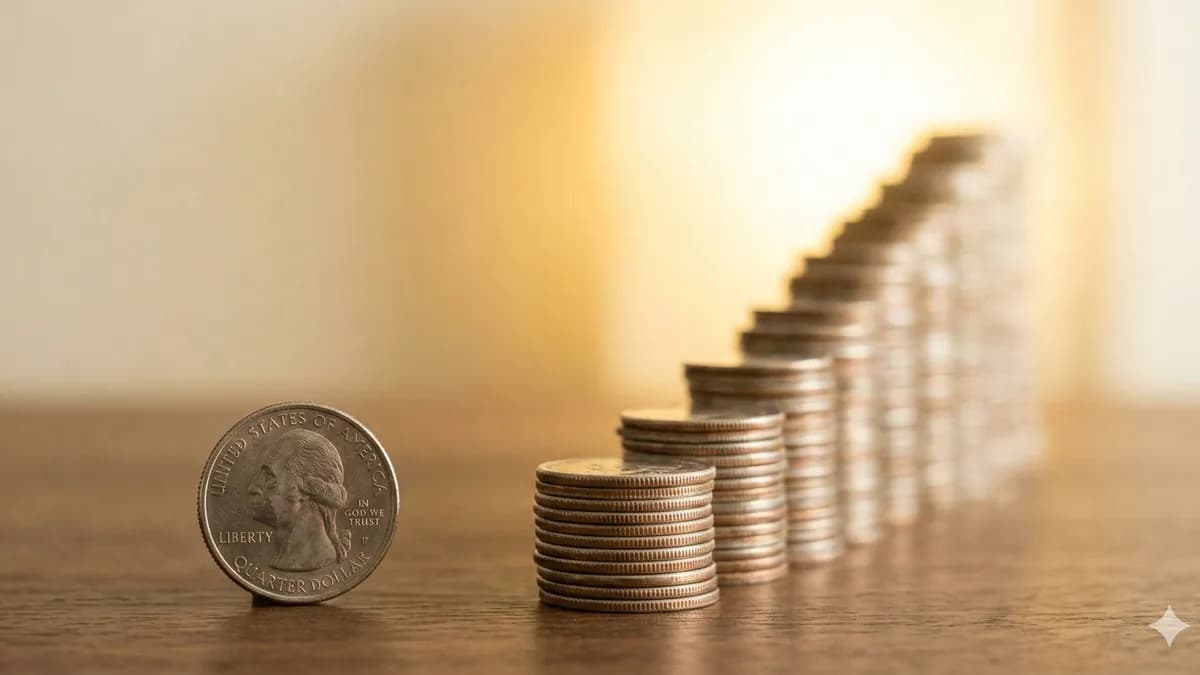
Small Steps, Real Results: How $5 a Week Can Change Your Financial Future
Save $5 a week and you have $260 after one year. Invest it at a 10% average return and it grows to about $44,800 in 30 years. Here is the math.

How to Teach Yourself About Money (Starting From Zero)
Americans say they lost $948 each in 2025 from not knowing money basics. Here's a step-by-step learning path to teach yourself about money, starting from zero.

What Is Dollar Cost Averaging? (Explained So Simply Your Grandma Would Get It)
Dollar cost averaging means buying a fixed amount on a regular schedule, no matter the price. It removes the stress of timing the market and lets consistency do the heavy lifting.