Inflation
How rising prices and a growing money supply silently drain your purchasing power.
All Articles(18)

Bitcoin Halving Explained: Scarcity Written in Code
The Bitcoin halving cuts new supply in half every 210,000 blocks. How the rule works, when the next one lands in 2028, and what it did and did not do to price.

Average American Savings by Age: Where You Stand (and Why the Number Lies)
The average savings number is a statistical trick. The typical American has far less saved than the headline says. Here are the real numbers by age.

Why Is Rent So High? The Purchasing Power Problem Nobody Talks About
The standard answer is supply and demand. The real answer goes deeper: rent is where you watch your dollar lose value in real time. Here's what's happening.
How Money Actually Works (What They Left Out of the Textbook)
US adults get only 49% of basic money questions right. Here's how money actually works, from creation to inflation, in plain English the textbook skipped.
High-Yield Savings vs. Investing: Why 4.27% Isn't Winning
A high-yield savings account is the right home for an emergency fund. After taxes and inflation, it barely grows. Here is when to save and when to invest.
Where Does Money Come From? (The Answer Will Make You Angry)
About 92% of US bank deposits were created by commercial banks out of thin air when they made loans, not by the government. Here's how money actually gets made.

Generational Wealth: What It Takes Starting From Nothing
79% of U.S. millionaires inherited zero. Here is what generational wealth actually takes when you start from nothing: four moves, and the math behind them.
Is the Dollar Losing Value? What 50+ Years of Data Actually Shows
The dollar has lost about 88% of its buying power since 1971, per BLS CPI data. See the losses by decade, the yearly average, and what it means for you.
What Is Fiat Currency? (And Why It Matters for Your Money)
Fiat currency is money backed by government decree, not gold. The U.S. dollar has lost 97% of its value since 1913. Here's what that means for your money.

Bitcoin vs Real Estate: Which One Can Regular People Actually Afford?
The median existing home sold for $429,100 in August 2026. Bitcoin starts at $1. Here's an honest comparison of two inflation hedges for people who don't have six figures lying around.
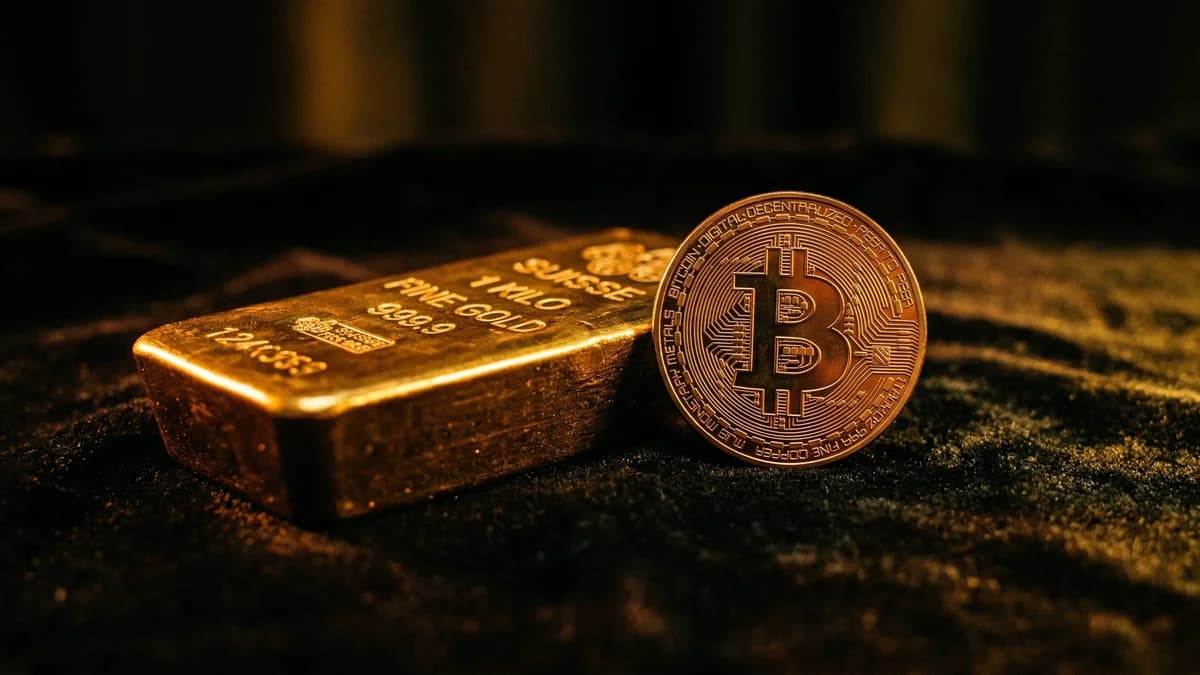
Bitcoin vs Gold: Which One Actually Protects Your Money?
Gold has been the inflation hedge for centuries. Bitcoin has been around for about 17 years. Here's an honest comparison for people who just want to protect their purchasing power.

What Happens to Cash During a Recession (and What Actually Holds Value)
The 2008 recession wiped out 57% of S&P 500 value, but cash lost purchasing power in the inflation that followed. See what actually held value and why.
How the Government Prints Money (and Why You Pay for It)
The Treasury prints the bills. The Federal Reserve creates most new money digitally by buying bonds. Here's how it works and why each new dollar costs you.
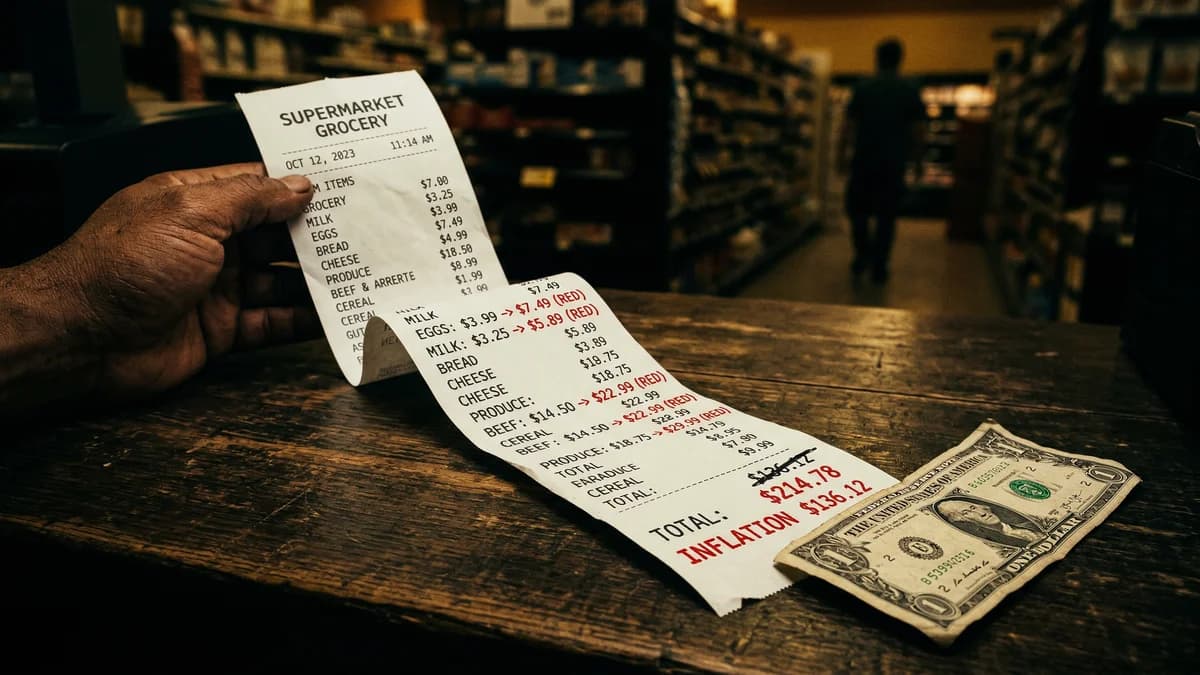
The Real Inflation Rate: What the Official Numbers Don't Tell You
Official CPI inflation is 3.4%. Rent, insurance and electricity have risen faster. Here is what the headline number leaves out and how to read it.
Why Your Savings Account Is Quietly Losing Money
Your balance won't drop, but its buying power does. The average savings account pays 0.37% while prices rise 3.4% a year. Here is what that costs you.
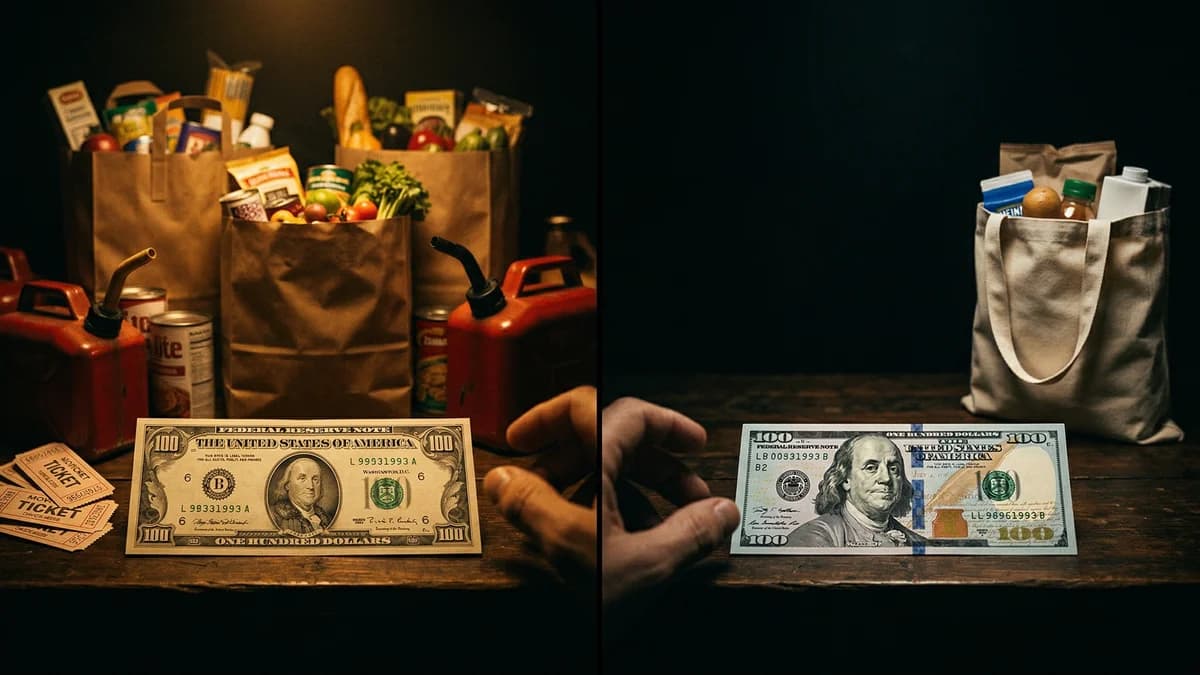
What $100 Used to Buy: A Decade of Shrinking Dollars
A $100 bill has lost about 29% of its buying power since 2015, per the Bureau of Labor Statistics. See what that same bill used to cover and what it gets you now.

What Is Purchasing Power? (And Why Yours Is Shrinking)
Purchasing power is how much your money can actually buy. The dollar has lost about 29% of it since 2015, per BLS data. Here is why, and how to keep up.
Your Money Is Losing Value (and Nobody Is Going to Tell You)
Money loses value when prices rise faster than your savings grow. See how much the dollar has lost, why it keeps happening, and what you can do about it.